

Set sail for Asia
Immerse yourself in Asia’s captivating history & traditions. Read on to learn more about the distinctive countries that comprise this storied region and uncover the unforgettable experiences that await you in Japan, Cambodia, Indonesia and beyond. Discover the fresh ingredients used to prepare Vietnamese summer rolls, trace the history of China’s tea culture and explore why Thailand is an ideal destination for nature enthusiasts.
Asia
Asia is the world’s largest and most diverse continent, occupying four-fifths of the Eurasian landmass, or approximately 17.2 million sq mi. (44.6 million sq km). Asia possesses the longest coastline of any continent, contains both the highest and lowest points on Earth’s surface and has the widest climatic extremes. As a result, Asia produces the largest variety of vegetation and animal life of any continent. For example, Siberia has warm but short summers and long, intensely cold winters, while Southeast Asia has a tropical climate that is hot and humid year-round. Overall, the majority of Asia has a continental climate, characterized by an extreme annual range of temperature across seasons.
Asia is the birthplace of several of the world’s major religions and hundreds of minor ones. As such, this region is home to historic temples, iconic landmarks and cultural treasures including:
- Tokyo’s Meiji Jingu, a Shinto shrine dedicated to the deified spirits of the first emperor of modern Japan and his wife, Empress Shōken
- China’s impressive Terra Cotta Warriors in the ancient, fortified city of Xian
- Hong Kong’s Wong Tai Sin Temple, a colorful Taoist shrine located in the heart of the city
- Potala Palace in Tibet, a 13-story structure that was home to the Dalai Lama for more than 1,000 years
- Angkor Wat in Cambodia, a 12th-century temple that is now a UNESCO World Heritage Site
- Jade Emperor Pagoda, an ornate sacred site in Vietnam’s vibrant Ho Chi Minh City
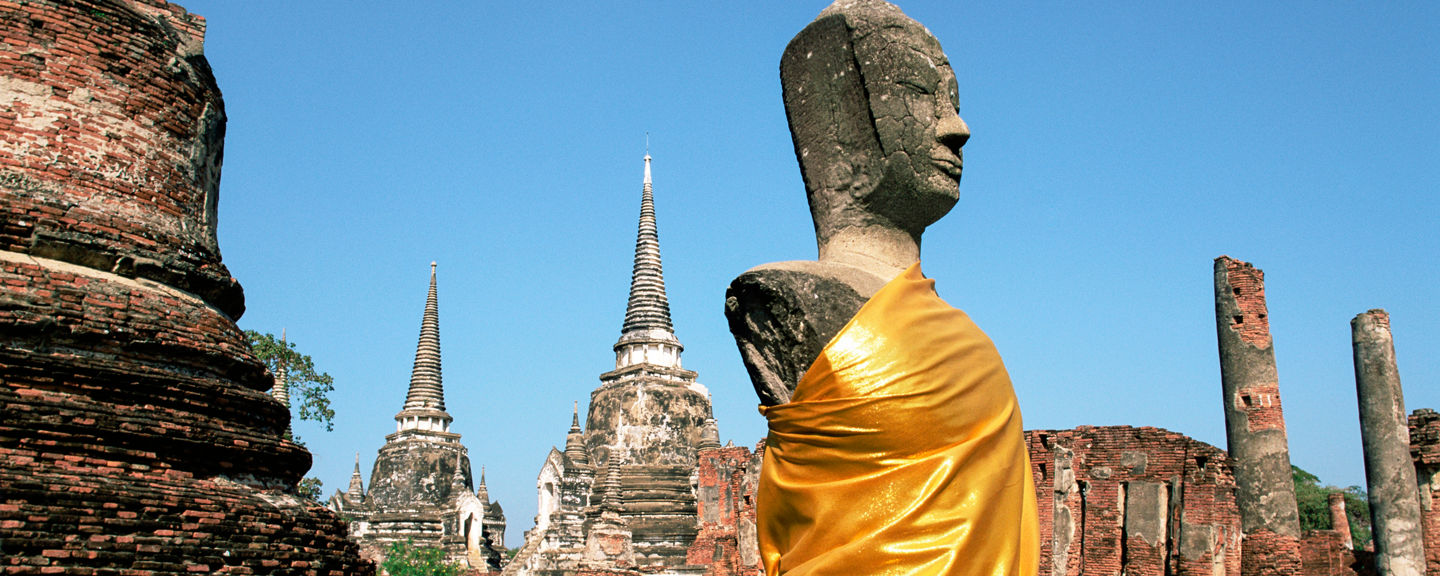
- Ayutthaya, Thailand’s majestic ancient capital and a UNESCO World Heritage Site
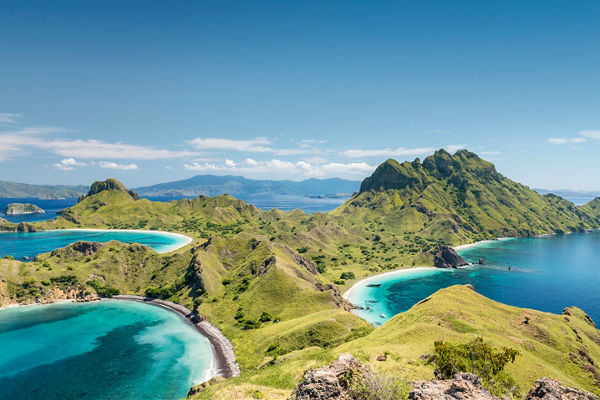
- Indonesia’s Komodo National Park, home to the largest living lizard species, the remarkable Komodo dragon
- Gardens by the Bay, Singapore’s futuristic horticultural park featuring more than one million plants

-
A time-honored Japanese tradition
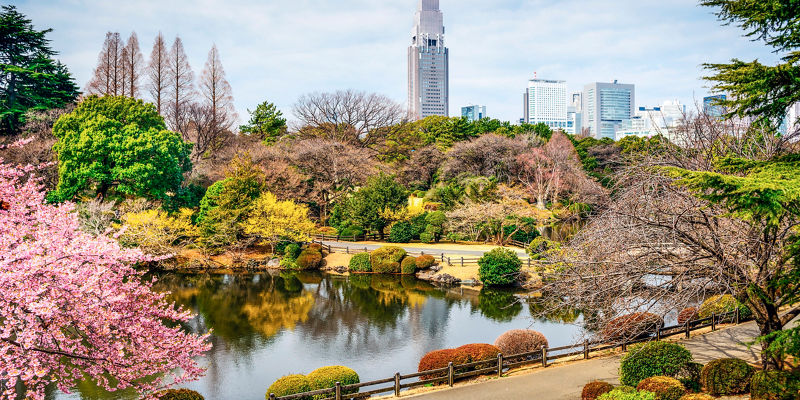
Many of Tokyo’s green parks have been inspired by the ideals of traditional Japanese gardens. These city landscapes, whether diminutive or grand, were designed to mimic the natural world and reflect the ways in which ancient Japanese art depicted it.
Ueno Park
Established in 1873 on the lands of a former temple, Ueno Park is one of Japan’s first public parks. By far the most popular urban green space in Japan, it is famed for its annual display of cherry blossoms and the attendant tradition of hanami, the custom of enjoying the fleeting beauty of flowers. The park is home to some 8,800 trees, 800 of which are cherry trees, and hosts numerous bird species and several museums.
Kansen-en Park
This small city park is a true Tokyo gem. The space it occupies was once the residence of a prominent family of the Edo era. Its name, which means “sweet spring garden,” refers to the clean spring water found here that was once used to prepare tea. Its shimmering pond is shaped like a gourd and surrounded by flowering shrubs. Because it was created during the prosperous Edo period, Kansen-en was designed as a “strolling garden” and exudes an air of extravagance.
Rikugi-en
Also created during the Edo period, Rikugi-en is widely regarded as Tokyo’s most beautiful landscape garden. A pond lies at its center, surrounded by gentle hills, sweeping lawns and patches of forest, all linked by walking trails. The garden's name translates to “six poems garden”—it was designed to recreate 88 scenes from various beloved Japanese poems. Several teahouses greet walkers along the trails, inviting passersby to linger a while longer.
Koishikawa-Kōrakuen
One of the city’s oldest gardens and also a product of the Edo period, Koishikawa-Kōrakuen is traversed by winding walking paths that lead past maple, plum and cherry trees and beautifully sculpted shrubs. A small grove of ginkgo trees occupies one corner of the park while a rice field spreads across another. Like other Japanese gardens, it was designed to replicate famous landscapes on a small scale, employing ponds, stones, trees and hills.
Kiyosumi Teien
A more modern garden park, Kiyosumi Teien was donated to the people of Tokyo by the founder of Mitsubishi in 1932. Beautifully layered topiary blankets the shores of its pond, creating an intimate setting. Many of the landscape stones found throughout the garden were acquired from across Japan. Stepping stones seem to float on the surface of the pond, offering an opportunity to venture onto the rocky pier to gaze at fish, turtles and reflections in the water.
Jindai Botanical Garden
Home to 4,500 species of trees and shrubs, the Jindai Botanical Garden boasts some 100,000 individual specimens. It stands on the edge of a plateau above the Jindai-ji Temple on a spot once occupied by a medieval fortress. Later, it served as a nursery that cultivated trees with which to populate Tokyo’s streets. Today, it is divided into 30 distinct regions and graced with azalea, peonies, roses, wisteria, dogwood and more.
-
Asian Pacific and Australian beaches worth combing
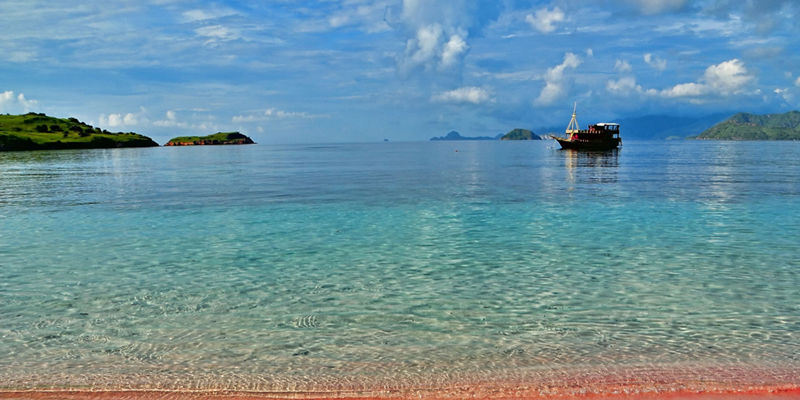
At the mere mention of the words “Asia Pacific beaches,” your blood pressure might drop and your mind might drift to a place where beauty and relaxation come in waves. But you do not have to imagine them—you can walk across white-sand beaches, wade into crystal clear waters and experience a variety of Asian Pacific beaches for yourself.
-
Authentic Chinese cuisine worth sampling
Here are some popular dishes among locals and visitors alike:
Sweet and sour pork—This dish has a bright orange-red color and a distinctive blend of flavors. In many restaurants, chicken or beef can be substituted for pork.
Gong bao chicken—Also known as kung pao chicken, this famous Sichuan specialty features diced chicken, fried peanuts and dried chili.
Ma po tofu—This hot and spicy Chuan dish includes pepper powder and tofu infused with ground beef and chopped green onion.
Wontons—Similar to Italian tortellini, wontons are usually triangle-shaped. Often filled with minced pork or diced shrimp, they can be boiled and served in soup or deep-fried.
Dumplings—With a history dating back 1,800 years, dumplings are traditionally eaten on Chinese New Year’s Eve. Minced meats and chopped vegetables are wrapped in thin dough pockets, then boiled, steamed or fried. Dumplings are popular in Northern China.
Chow mein—This dish features noodles that are first boiled and then stir-fried, meat (chicken, beef, pork or shrimp), onions and celery.
Peking roasted duck—A famous dish from Beijing, Peking roasted duck is one of China’s national dishes. Known for its thin, crispy skin, Peking duck is served with sweet bean sauce, soy with garlic or pancakes.
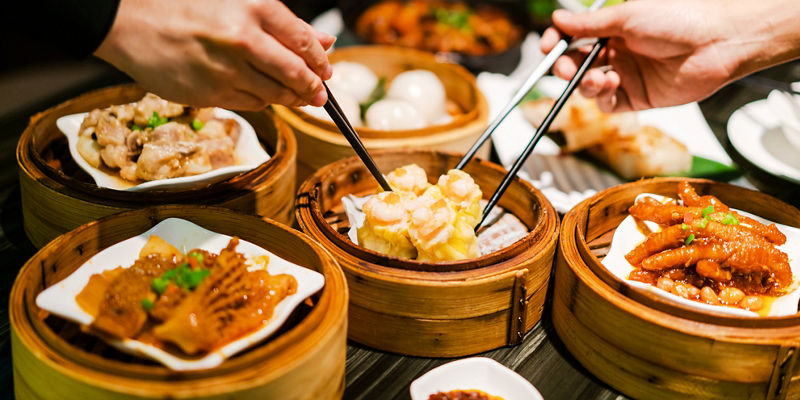
Spring rolls—Especially popular in Shanghai, Shenzhen, Hong Kong and Jiangxi, spring rolls are Cantonese dim sum wraps filled with meat or vegetables, then fried.
Hotpot—Hotpot is a social meal that has been around for more than 1,000 years. It features a simmering metal pot of broth at the center of a table, and meats, vegetables and tofu that can be cooked in the broth. Sichuan hotpot is the most famous Chinese hotpot, but other popular varieties include seafood hotpot in Guangdong, beef hotpot in Hong Kong and sauerkraut hotpot in Northeast China.
-
Buddhism, then and now
Achieving nirvana through enlightenment
While Buddhism’s popularity in India has waned, it continues to thrive in Asia with estimates of 324 million Buddhists worldwide.
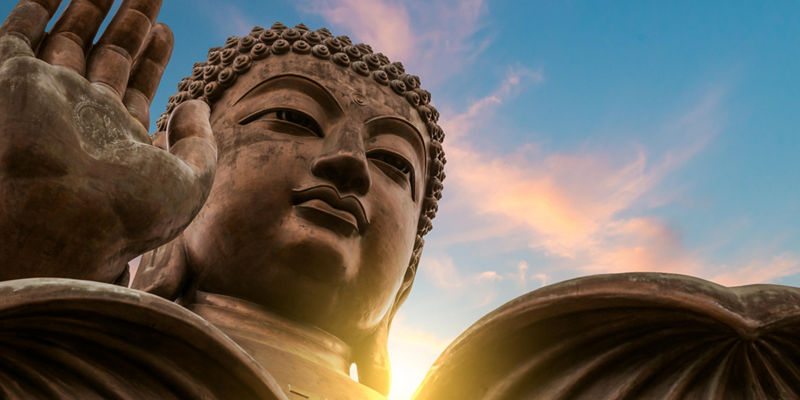
Buddhism was born on the Indian subcontinent and is based largely on teachings attributed to Siddhartha Gautama—commonly known as “the Buddha” (meaning “the awakened one” in Sanskrit and Pāli). The Buddha lived and taught in the eastern part of the Indian subcontinent circa 563 BC-483 BC and is recognized as an enlightened teacher who helped sentient beings end suffering and achieve the highest level of happiness.
The rise of Buddhism
Around 250 BC, the Indian emperor Ashoka the Great embraced Buddhism after witnessing the horrors of war. It gave him such a sense of peace that he wanted to share its principles with as many people as possible, and so he sent Buddhist missionaries to faraway countries including China, Sri Lanka, Malaysia and even Greece.
As Buddhism began to spread outward from India, different practices took shape. Theravada Buddhism is based on the idea that everyone must seek enlightenment on their own behalf. Mahayana, or “Great Vehicle” Buddhism, allows for the existence of bodhisattvas—beings who seek buddhahood, or perfect enlightenment, on behalf of all sentient beings. Vajrayana, or tantra, is widely practiced in Tibet and Mongolia and includes visualization, the chanting of mantras, study with a guru, the use of mandalas and yoga practice.
A shared goal through varied practice
Though schools of Buddhism vary on their approach, all agree that the shared goal is nirvana—peace or stillness of mind—and liberation from samsara, the karmic cycle of rebirth, plagued as it is by pain, desire and ignorance. The three “jewels” of the Buddhist path are the Buddha, the dharma (teachings) and the sangha (community). Related principles are mindfulness, ethical behavior, devotion and supporting (or becoming part of) the monastic community.
-
Chinese tea traditions
The history of tea in China is long and complex, given that the Chinese have enjoyed tea for millennia. Scholars hailed the brew as a cure for a variety of ailments, the nobility considered the consumption of good tea as a mark of their status and the common people simply enjoyed its flavor. In 2016, the earliest known physical evidence of tea was discovered in the mausoleum of Emperor Jing of Han (d. 141 AD) in Xian. Tea then became a popular drink in the Tang (618–907) and Song (960–1279) Dynasties.
This article highlights two central components of China’s rich traditions surrounding tea: the ceremony of “Gongfu Cha” and the sophisticated porcelain for which the country has been known for centuries.
The origins of tea ceremonies
For centuries, steaming tea leaves was the primary method used in the preparation of tea. The Chinese learned to process tea in a different way in the mid-13th century, when tea leaves began to be roasted rather than steamed. This is the origin of today's loose teas and the practice of brewed tea.
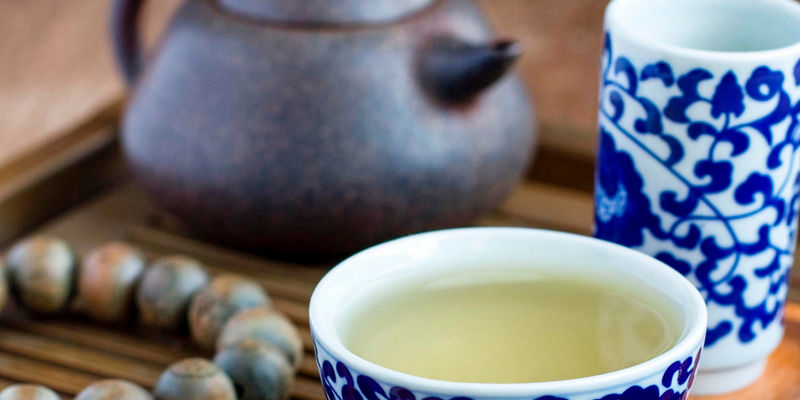
Traditional Chinese tea ceremonies, known as “Gongfu Cha,” are a refined and intricate practice that emphasizes the art of brewing and appreciating tea. Originating during the Song Dynasty, these ceremonies involve a series of precise steps, including the selection of high-quality tea leaves, the use of specialized teaware and the careful control of water temperature and brewing time. The process is often performed in a serene and contemplative setting, allowing participants to savor the aroma, taste and appearance of the tea. Gongfu Cha is not only a social activity but also a cultural expression that reflects the values of harmony, respect and tranquility in Chinese society.
Traditional Chinese porcelain
Ceramics of all types have been important in Chinese culture for millennia. Porcelain’s initial creation date continues to be up for debate, but scholars believe that it began during the Sui Dynasty (581-618 AD).
Porcelain is a high-firing white clay bodied ceramic, which is usually pure white due to the high content of a clay component known as kaolin. These characteristics allow for the creation of white porcelain of finer, thinner and lighter-weight vessels—perfect for the application of colorful glaze designs.
Porcelain became the object of desire first by emperors, later the wealthy Chinese merchants, and eventually Europeans and North Americans in later centuries. The imperial kilns at Jingdezhen, where porcelain may have been produced as early as the 6th century, created extremely fine porcelain from the 14th century onwards.
Once the clay has been prepared, shaped or molded by hand, it is glazed, either with a solid color or perhaps more intricately decorated with a hand-drawn design of one or more colors. The glazed pots are then loaded into a kiln and fired at a much higher temperature than other stoneware or earthenware.
-
French influences in Southeast Asia
French colonial legacy in Indochina
Indochina, encompassing present-day Vietnam and Cambodia, was a French colony from 1887 to 1954. French engagement in Vietnam dates back to the 17th century with Jesuit missionary Alexandre de Rhodes. A French Catholic priest, Pigneau de Béhaine, played a pivotal role in assisting Vietnam’s Nguyen dynasty.
Missionary activity and political intrigues
The 19th century witnessed fervent missionary endeavors supported by the French government, prompting local resistance. The French countered this resistance, impacting the restored Nguyen dynasty. Cambodia’s plea for protection resulted in a 1863 agreement with France, gaining protection from Thailand in exchange for territorial concessions.
Cultural and linguistic impacts
French cultural influence left a lasting mark, introducing Catholicism and establishing French as the language for education, administration and trade. This linguistic impact persisted beyond colonial rule, with remnants still discernible in contemporary times.
Colonial classifications and economic ventures
French Indochina can be classified as a “colony of exploitation,” meaning that taxes were raised locally to fund the presence of the French government. The French began trading locally and produced opium, salt and rice alcohol, and took over the minting of the colony’s currency, the French Indochinese piastre.
French interests in Vietnam expanded to tea, rice, coffee, pepper, coal, zinc and tin; from Cambodia, they harvested rice and pepper. At the turn of the 20th century, the French government established rubber plantations in Vietnam to supply companies like Michelin and began to open factories to process rubber and other commodities.
Infrastructure development and resilient resistance
The French initiated the construction of hospitals, dams, canals and railways, yet these projects often imposed substantial financial burdens on the local populace. In 1930, Ho Chi Minh organized a Communist resistance movement against French occupation. WWII witnessed Japanese control, followed by French return until their final expulsion in 1954.
Enduring cultural influence
French influence has left indelible marks in language, architecture and customs. Sidewalk cafés, opera houses and culinary offerings continue to reflect this historical amalgamation. French influence on the local cuisine has been profound, with numerous local restaurants serving a fusion cuisine featuring such dishes as noodles with escargot, beef curry with French- or Vietnamese-style baguettes, pâté, sa lát (salad) and French-inspired meat pastries.
-
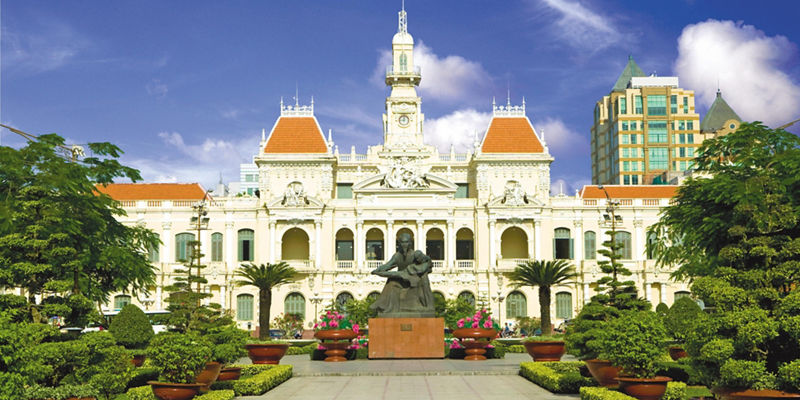
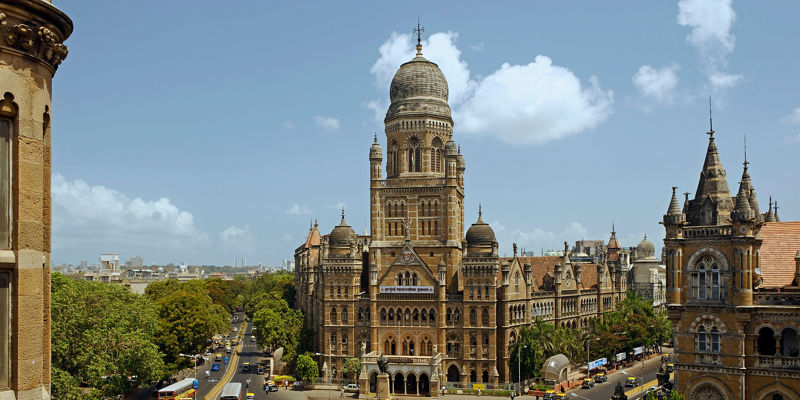
Historic structures in Vietnam, India, Sri Lanka and China
As Western European countries established commercial footholds in different parts of Southeast Asia, the Colonial era influenced culture, cuisine and architecture. Centuries later, European architectural influences can be seen across India and Southeast Asia in bridges, opera houses, churches and town squares, providing glimpses into a bygone era.
-
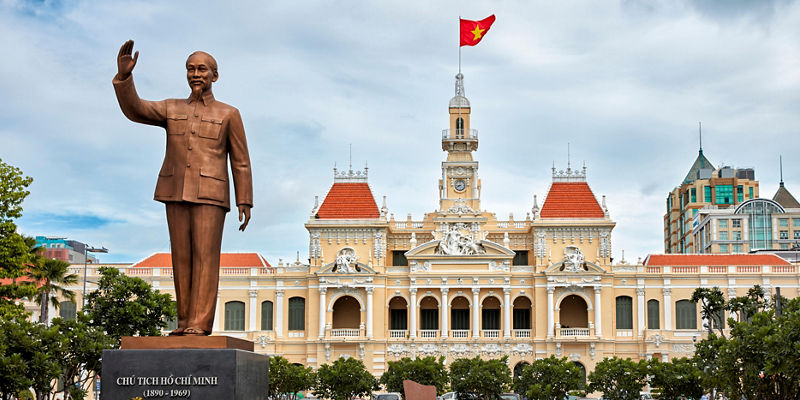
Ho Chi Minh City’s vibrant tapestry
Captivating modern urban landscape
The pulse of Ho Chi Minh City is undeniable, fueled by its youthful spirit and forward-looking attitude. As Vietnam’s commercial nucleus, this metropolis is rich in cultural and culinary treasures. Your visit offers an opportunity to immerse yourself in the captivating tapestry that makes Ho Chi Minh City a uniquely captivating destination.
French Colonial elegance
Among the city’s captivating French colonial structures, the Central Post Office stands out as a gem. Designed by French architect Alfred Foulhoux, its brilliant yellow façade and graceful green-shuttered windows are a visual delight. Another masterpiece, the Notre Dame Cathedral, draws inspiration from Paris’s iconic landmark. Crafted from materials imported from France, this neo-Renaissance marvel’s twin bell towers distinguish it with dramatic flair.
Fusion of eras: The Reunification Palace
A more contemporary marvel, the Reunification Palace emerged in 1966 with a design by Paris-trained Vietnamese architect Ngô Viết Thụ. A captivating blend of Eastern and Western influences defines this landmark, reflecting the very essence of Ho Chi Minh City.
Chinatown’s timeless charms
Within the vibrant Chinatown district, remnants of the city’s traditional heritage are lovingly preserved. Amidst grand pagodas and serene Buddhist temples, modern skyscrapers assert the city’s dynamic outlook and future-oriented vision.
Savor the culinary kaleidoscope
Exploring this bustling urban hub is incomplete without indulging in its renowned twist on Vietnam’s iconic dish, pho. "Pho nam," the southern rendition, boasts an intricate and robust flavor profile. Its countless variations are available on nearly every street and in every eatery. Craving a quintessential bánh mì? These delectable sandwiches, nestled in French baguettes, can be savored in Ho Chi Minh City’s numerous cafés and shops. Don't miss local favorites like ốc (Vietnamese shellfish), bánh tằm bì (noodles, herbs, and meat with coconut cream sauce), and bánh xèo (crispy rice flour pancake filled with aromatics). To accompany your meal, enjoy a refreshing glass of cà phê sũa đá (strong iced coffee with condensed milk) or local beer.
-
Shopping in Southeast Asia
Southeast Asia is a shopping haven. Here, you can find high-end labels at exclusive shopping malls, extremely inexpensive finds at open air markets and just about everything in between.
Prepare for comfort
If you are shopping outdoors during the day, be sure to wear comfortable shoes, sunscreen, sunglasses and a hat, and bring some water. Some towns have indoor shopping and night markets, too.
Shopping destinations
The Old Quarter of Hanoi was established about a thousand years ago and is organized by guild—you will find Hang Bac (Silver Street), Hang Gai (silk and paintings) and even Hang Nam (Gravestone Street). Ho Chi Minh City is more modern, with higher-end shopping centers, specialty shops and fine arts galleries in addition to both open air and indoor flea markets. Siem Reap has everything from inexpensive clothing to designer jewelry, and unusual art galleries where you can buy pottery, woodcarvings, tapestries and more. Phnom Penh has big shopping malls, supermarkets and mini-marts, silk shops, souvenir shops, boutiques and art galleries of every size and description. Its best-known open-air market is the Russian Market, named in the 1980s when it was frequented by Phnom Pehn’s Russian residents. Here you can find everything from handicrafts, mementos and beautiful silk to electronics.
Vibrant food markets
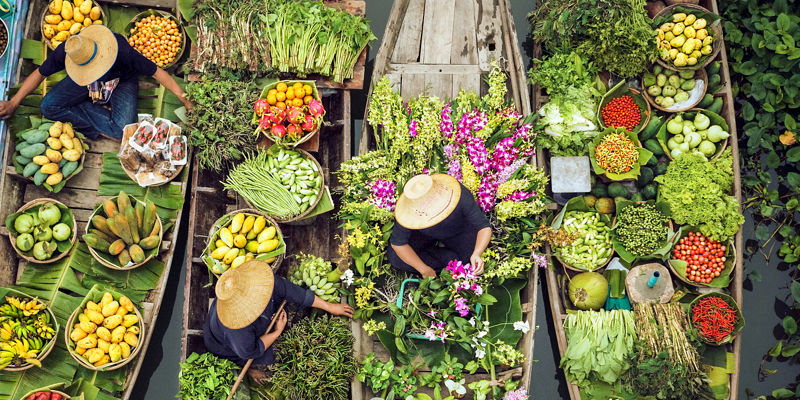
Covered and open air markets offer the widest possible array of goods. You will be amazed by the displays of produce, including some fruits and vegetables that may be unfamiliar to you and worth a try—such as the giant, spiky durian. Of course, you may also choose street food snacks and both local and imported beers.
Services of all kinds
You can also purchase services such as massages, manicures and pedicures—and if any of your clothing or luggage is in need of repair, those services are available as well.
Bargaining is welcomed
Yes, you should, especially in public markets and flea markets where prices are not fixed and the initial asking price is probably marked up to about four times what the vendors actually expect to get. Be friendly and respectful—Southeast Asians are more likely to give you a good deal if you make them laugh and smile while naming your price. If you are not satisfied with the price, be prepared to smile and walk away—this may encourage the vendor to make you a better offer.
Shipping
Many places will ship your goods home, arranging packing, customs forms, insurance, etc. This is especially helpful if you want to buy a large item but do not want to carry it around with you.
Important caveats
- If someone touting merchandise approaches you and you are not interested, say “No, thank you” and walk away.
- Check your purchases carefully before paying and packaging to make sure they are what you want and are not damaged.
- Be careful where you shop (and what you pay) for fine jewelry—items may be very convincing fakes.
- In a crowded market there might be pickpockets, so make sure you know where your belongings are at all times. Carry wallets in front pockets and wear backpacks or fanny packs in front.
- Do not buy anything sold as an authentic ancient artifact. It is probably fake—and if it is real you may not be allowed to take it out of the country.
-
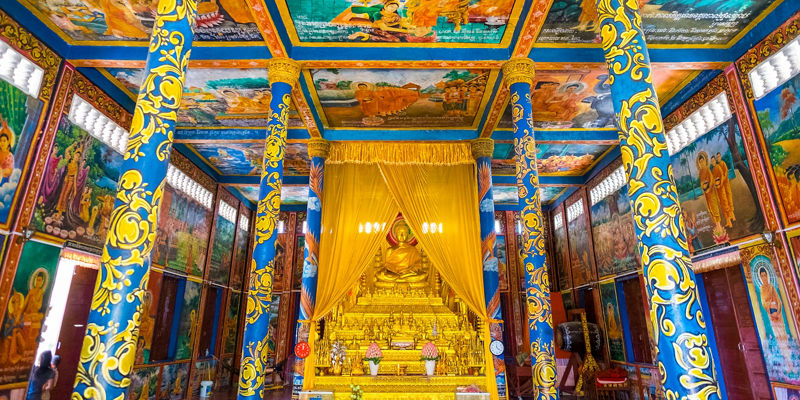
Structures of a Buddhist temple
At its heart, a wat is a monastery temple complex consisting of several buildings enclosed by a wall. Nearly every village in Cambodia and Thailand boasts at least one wat in its midst, as it is here that men and women may be officially ordained as monks or nuns. The wats found in many rural areas often include a small school and serve as community centers as well as places of worship. The official religion of Cambodia is Buddhism, and approximately 95 percent of both Cambodians and Thais identify as Buddhist.
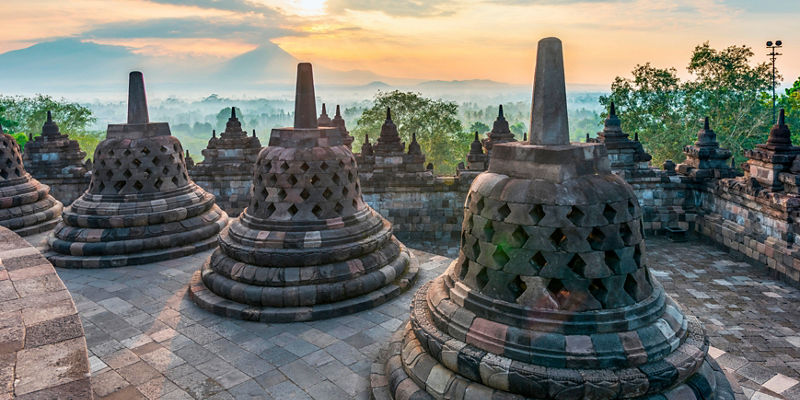
The most important structure found within a characteristic Buddhist wat is the chedi (also called a stupa)—a building that may be assembled in one of many structural variations, though typically in the form of a cone. Historically, the chedi contained relics of the Buddha, such as a tooth or strand of hair; later, it was used to house the remains of kings or high-ranking monks who had made a large donation to the wat during their lifetime.
The wat’s most sacred prayer room is the ubosoth, or bot. In this highly decorated space, monks take their holy vows and temple rites are carried out according to the wat’s ritual calendar. The secondary prayer room is called the viharn, and it is here where images of the Buddha are most commonly kept. Laypeople are welcome to enter the viharn and pray or meditate amid its serene environment. Larger wats may contain more than one viharn.
Sacred texts and holy ceremonial objects are kept in the mondop—a square-shaped open structure with a pyramid-shaped roof. A pavilion known as a sala is used by the local laity for social gatherings, special rituals and even funerals. The monks’ living quarters, a library and a bell tower are also hallmark features of Southeast Asian wats.
In addition to their role as monastic centers, wats may also function as crematoriums, entertainment halls or refuges for those with nowhere else to go. The lay community surrounding the wat is integral to its endurance and function, and the committee responsible for its continuance is most often composed of both former monks in good standing and prominent local laymen.
During your time in Southeast Asia, do not miss the opportunity to stroll the grounds of one of these cultural treasures of the region.
-
Studying the centenarians
Okinawans are famous for living long lives. In fact, more centenarians live on Okinawa than anywhere else. Since the mid-1970s, scientists from the US National Institutes of Health and Japan’s Ministry of Health have been researching the lives of Okinawans who are older than 100. The Okinawa Centenarian Study (OCS) has revealed that Okinawan people who live to or beyond 100 have several things in common.
-
Thailand, an ideal destination for outdoor experiences
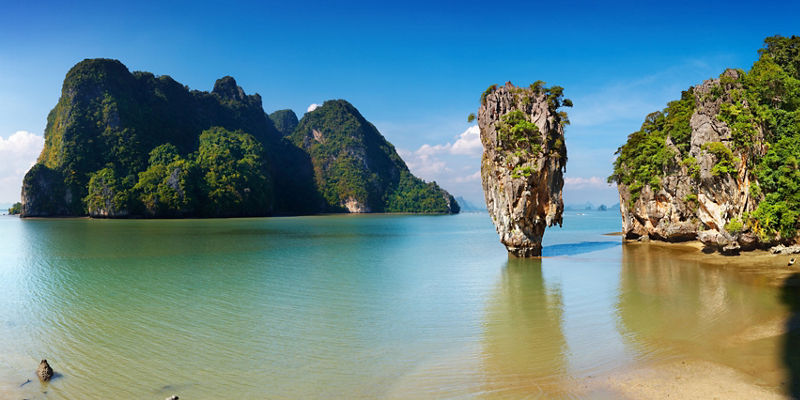
Thailand offers a wealth of natural beauty, especially near destinations such as Bangkok and Phuket. In the heart of Bangkok itself, Lumpini Park offers visitors a green oasis perfect for a leisurely stroll or a picnic. Near Phuket, Kata Beach and Patong Beach are famous for their soft sands and clear waters, ideal for relaxation and water activities. Nature enthusiasts can also explore Phuket Elephant Sanctuary, where rescued elephants roam freely in their natural habitat. For a unique experience, visit Phuket’s Monkey Hill, where you can interact with playful monkeys and enjoy panoramic views of Phuket Town.
Thailand is also home to several notable national parks. Established in 1962 as Thailand’s first national park, Khao Yai National Park is now a UNESCO World Heritage Site. Situated 109 mi (175 km) from Bangkok, it features lush forests, diverse wildlife and stunning waterfalls. It is one of the few places in Thailand where wild elephants still survive. Thailand’s largest national park, Kaeng Krachan National Park, offers breathtaking views, ample hiking trails and abundant wildlife. Notable mammal species include elephants, bears and leopards. There are also more than 400 bird species, making it a birdwatcher’s paradise.
-
Thailand’s River of Kings
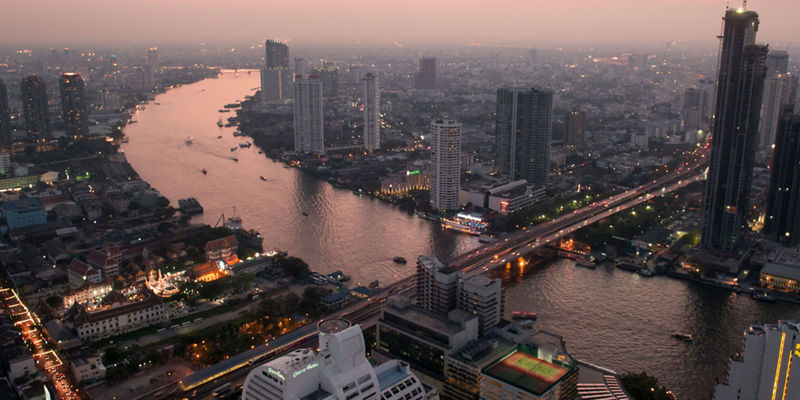
The bustling metropolis of Bangkok was founded on the banks of Thailand’s primary waterway—the Chao Phraya River. This 231-mile watercourse runs directly through the heart of Thailand’s lively capital and provides fresh water, irrigation and transportation to the surrounding area. Read on to learn more about this important natural resource.
-
The architecture of Japan
Here are just a few examples of noteworthy architecture throughout Japan:
Imperial Palace, Tokyo—Located in the heart of Tokyo, the Imperial Palace is surrounded by moats, stone walls, bridges and gardens. Occupying the former site of the Edo Castle, the palace has a history dating back to the early 17th century and the Tokugawa shoguns. In 1888, construction of a new palace was completed. The structure was damaged by fire in World War II and rebuilt in 1968 using steel-framed concrete. The design blends a modernist style with classic Japanese architectural accents like large, hipped roofs and beams. Today it serves as the Imperial family residence.
National Art Center, Tokyo—Designed by Japanese architect Kisho Kurokawa and opened in 2007, the gallery’s distinctive exterior emulates undulating waves. The National Art Center houses a variety of collections featuring Japanese artists as well as international exhibitions.
Tokyo Tower, Tokyo—If the orange-and-white observation tower rising above the Tokyo skyline looks familiar, it is no coincidence. Inspired by the Eiffel Tower, the Tokyo Tower offers visitors a spectacular, 360-degree view of Tokyo.
Yoyogi National Stadium, Tokyo—This structure, with its high-tensile hanging roof, was designed by the celebrated Japanese architect Kenzo Tange for the 1964 Tokyo Olympic Games. It houses two gymnasiums and is used for various sporting events and concerts.
Fukusai-ji Temple, Nagasaki—Built in 1628 by Chinese immigrants, the original temple was destroyed by the atomic bomb in 1945. The current Fukusai-ji Temple, built in 1979, features a statue of Kannon, the Goddess of Mercy, standing on the roof, which is shaped like a turtle’s shell. The turtle’s head is positioned over the temple door.
Kagoshima Prefectural Exchange Center, Kagoshima—This symmetrical, neoclassical building features a circular hole in the roof above the entrance, which illuminates the main hall on the first floor with natural light.
The Hiroshima Peace Memorial, Hiroshima—This memorial is a sobering tribute to those who lost their lives when the US dropped an atomic bomb on Hiroshima on August 6, 1945. The focal point of the memorial park is the Genbaku Dome, the only building in the area left standing. It is a powerful and poignant reminder of the horrors of war and the value of human life.
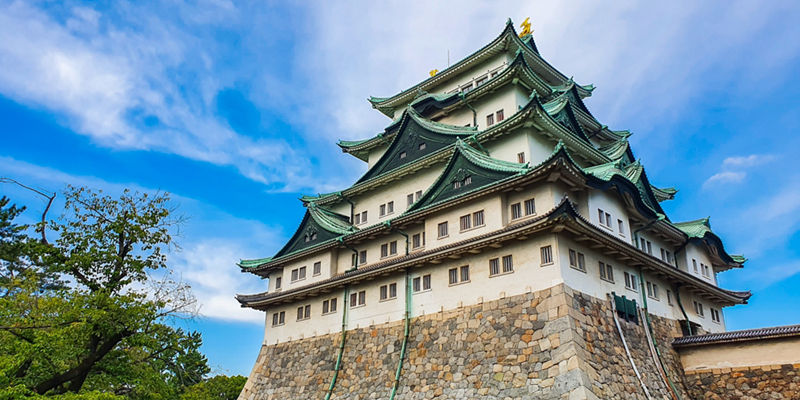
Osaka Castle, Osaka—One of Japan’s most iconic and historic castles, the original structure was built in the 16th century. Destroyed and rebuilt several times over the centuries, Osaka Castle was rebuilt with concrete in 1931. The famous tiled roof features cornices with leaping golden carps and the black facings below the roof are festooned with a variety of gold-colored, nature-inspired designs.
Shimizu Performing Arts Center, Shimizu—The Performing Arts Center houses two concert halls and incorporates a transparent facade. Located on Shimizu’s waterfront, the center features a glazed foyer that faces the port, offering views of Mt. Fuji.
Banna Park Bird Watch, Ishigaki Island, Okinawa—Banna Park is home to more than 2,500 species of birds—and one unique birdwatching venue. With its hatched-egg appearance and egg-shaped entrance, this playful structure is an example of programmatic, or mimetic, architecture.
Tonneau (The Barrel Restaurant), Okinawa—There is a place in the center of Okinawa where you can enjoy sushi, shrimp tempura, salads, pizza and pasta—all inside a giant whisky barrel.
Shuri Castle, Okinawa—Originally built in the 14th century, Shuri Castle was a political center and a repository for the art and culture of the Ryukyu Kingdom. In World War II, the castle served as headquarters for the Japanese military on the island. It was almost completely destroyed in the Battle of Okinawa in 1945. Rebuilt in 1992, the castle is a faithful representation of Gusuku (Ryukyu Island castle) architecture, an icon of Okinawan culture and a symbol of the island’s postwar recovery.
-
The art and craft of Indonesian batik
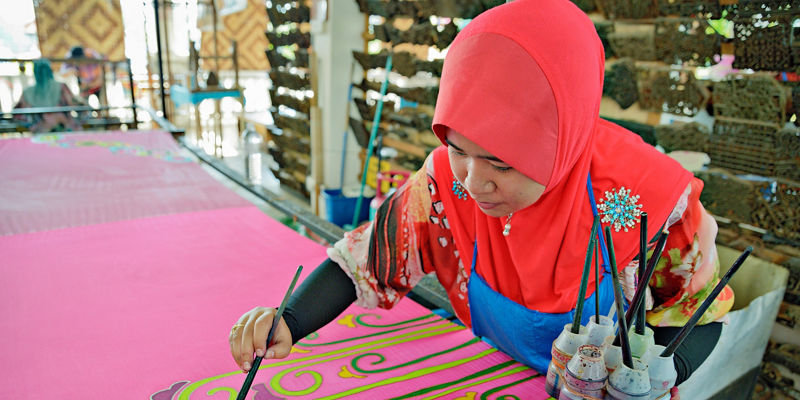
Batik is a combination of waxing and dyeing techniques used to make colorful designs on cloth, shirts, sarongs, skirts, dresses and wall hangings. Although the exact origin of batik is unknown, trade routes brought the techniques to Indonesia, where the art form was elevated. Originally made in royal courts and cottages, batik textiles have become a major commercial industry in Java and Bali.
-
The best shopping areas and markets in Hong Kong
From high-end shopping districts to eclectic street markets, the local passion for buying and selling is on display throughout Hong Kong.
Top shopping areas
- Central, Hong Kong Island—Hong Kong’s business center offers top boutiques and department stores.
- Causeway Bay, Hong Kong Island—Find luxury shops, mid-priced boutiques, affordable department stores and low-cost street markets all in one shopping area.
- Mong Kok, Kowloon—This shopping district preserves Hong Kong’s traditional qualities with a variety of markets, small shops and food stalls.
Top street markets
- Ladies’ Market, Kowloon—This is a must-visit destination for those looking for top-notch deals on watches, clothing and cosmetics.
- Temple Street Night Market, Kowloon—This eclectic market offers a wide variety of clothing, luggage and trinkets.
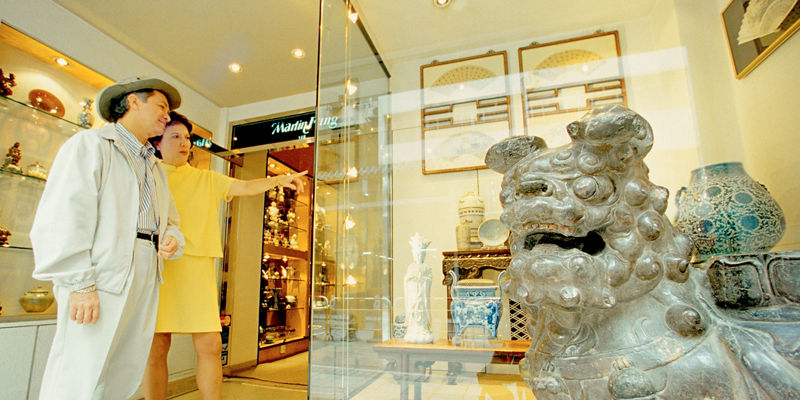
- Stanley Market, Hong Kong Island—An ideal place to shop for friends and family, Stanley Market sells Chinese artwork, silk collectibles and souvenirs.
Pro tips
- Keep your sales and credit card receipts, and be sure the items in your shopping bag match those listed on your receipts.
- Shops are open during the Spring Festival. This is a great time to shop because the stores offer sales and promotions, and department stores extend their hours before the festival.
- Keep your personal items with you at all times. Don’t let a thief get a great deal on your belongings.
-
The history of Southeast Asia
Prehistory: The migration
The earliest non-Aboriginal Southeast Asians appear to have arrived from southern China around 2500 BC. Around 1500 BC, the Mon people and ancestors of the Khmer came from Burma (now Myanmar), while Thai people arrived from southern China. By around the 5th century BC, the people of what is now known as the Ðông Sơn culture in present-day Vietnam had mastered the art of metalwork.
Ancient kingdoms
Southeast Asia’s ancient kingdoms can be grouped into two types: agrarian economies (including Ayutthaya and Khmer) and maritime trading economies (including Malacca and Srivijaya). While the agrarian empires were mighty, Southeast Asia rapidly became an international trading hub, first between India and China. This inevitably led to considerable cross-pollination of ideas, including the import of Buddhism and Hinduism from India. Western travel to Southeast Asia began in 166 AD with the arrival of merchants from the Roman Empire. In 1295, Marco Polo returned to his native Venice after a lengthy tour of Asia, bearing treasures and tales of wonder.
The colonial era
Europeans heard the siren song of trade with Southeast Asia in the early 16th century—and the missionaries came along to spread the message of Christianity. The Dutch formed the Dutch East India Company, which established a city known as Batavia (now Jakarta) as a trading base. Britain, in turn, formed the British East India Company, based in the Malay state of Penang. International squabbles led to these areas changing hands frequently among the Dutch, Spanish and British. In 1819, Stamford Raffles established Singapore as a key trading post for Britain in its rivalry with the Dutch, but in 1824 an Anglo-Dutch treaty was struck which clearly demarcated the areas’ respective territories.
As colonial activities increased, the entire region was taken over by European powers—with the exception of Thailand, which never fell under foreign rule despite being affected by colonialism. By the early 20th century, the British occupied Burma, Malaysia and northern Borneo, the French controlled Indochina (roughly Vietnam, Cambodia and Laos), the Dutch ruled the Dutch East Indies (Sumatra, Java, Borneo and New Guinea), and Portugal had claimed Timor. Spain ruled the Philippines, but was forced to hand it over to the US in 1898 following the conclusion of the Spanish-American War.
Though colonial rule had a profound and permanent effect on the region’s use of resources, demographics and culture, the situation remained relatively stable until the arrival of World War II.
-
The mouthwatering delights of Sapporo
Just as Lyon is the culinary heart of France, all taste buds turn to Sapporo for some of Japan’s finest cuisine. Here is a multi-course sampling of what you may find in Hokkaido island’s gastronomic capital:
City of soups
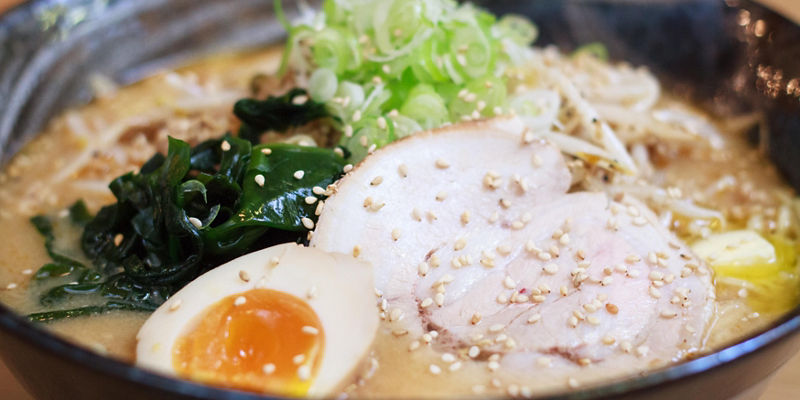
Sapporo is the birthplace of miso ramen, a blissful marriage of the ubiquitous noodle, an aromatic broth and colorful ingredients that might include bamboo shoots, green onions, fresh yellow ginger and pork. The city’s shops offer endless varieties of the dish; countless variations can be found along the Ganso Sapporo Ramen Yokocho, a narrow alleyway lined with restaurants that serve miso ramen around the clock. Another local specialty, soup curry, is made with a spicy broth, vegetables and chicken or other meat.
The main event
There is no telling whether Genghis Khan would have enjoyed jingisukan, the Sapporo dish named for him. This barbecued lamb entrée is prepared on a metal skillet shaped into a convex mound. According to one legend, the dish originated in prewar Japan when locals believed lamb to be the preferred meat of Mongolian soldiers. The dome in the skillet resembles their hats. A more modern Sapporo favorite is tempura-fried crab served in a rice bowl.
For the sweet tooth
To satisfy that after-dinner craving, sample shiroi koibito, the city’s renowned white chocolate biscuits that were invented here. The European-style sweet consists of white chocolate sandwiched between two cookies. The treat is so popular that a small park adjacent to the Ishiya Chocolate Factory, its manufacturer, has been named after it. A lighter dessert option is a handful of haskaps, a rectangular-shaped variety of the edible honeysuckle that is similar to a blueberry.
Raise a glass
The golden Sapporo Beer, first brewed here in 1876, may be the most popular brew, but the city is home to a thriving craft beer scene. Small-production breweries, brewpubs and taprooms are becoming more prevalent in Sapporo, highlighting a variety of new flavors ranging from spicy to fruity. Alternately, traditional sake made from the clean waters of Hokkaido is among the smoothest in the world. Like beer, sake has been produced in Sapporo since the 1870s.
-
The popularity and global effect of spices from India and Southeast Asia
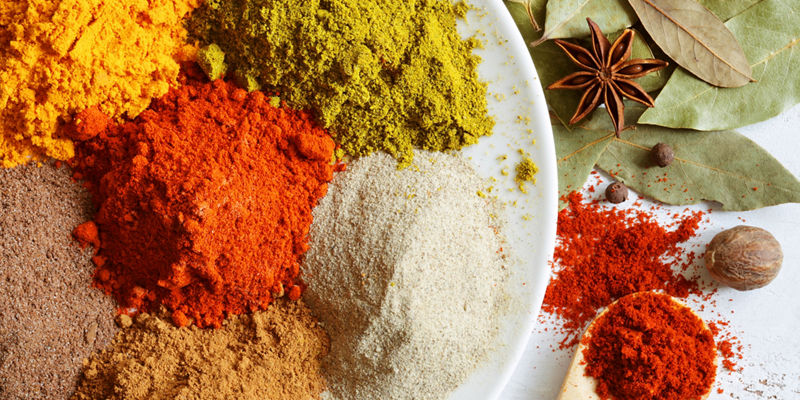
In The Tragical History of Dr. Faustus, Christopher Marlowe immortalized the mythical Helen of Troy with the line, “the face that launched a thousand ships.” In real-life history, pepper, cinnamon, ginger, cardamom, turmeric, cloves and nutmeg were the spices that launched countless ships. These and other spices did more than change the flavor of food—they altered the course of history.
-
The pride of Cambodia
The ruins of Angkor
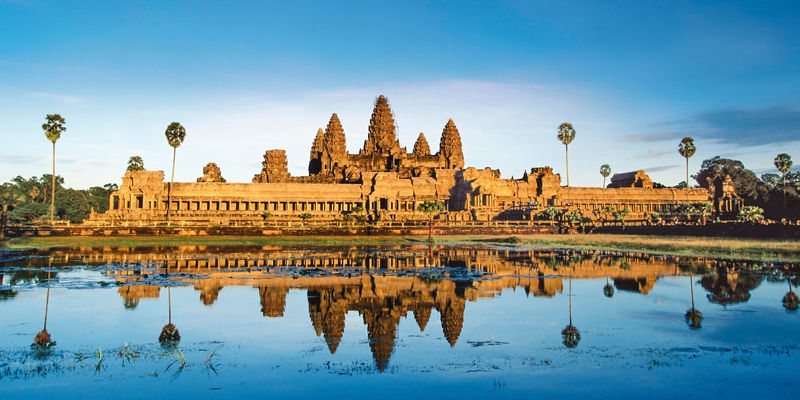
Angkor Archaeological Park contains the remains of the Khmer Empire capital from the 9th to the 15th centuries, including the iconic temples of Angkor Wat and Angkor Thom plus the Bayon Temple. One of the best-known UNESCO World Heritage Sites in the world, Angkor receives nearly two million visitors per year.
An immense population
Up to one million people may have called the 150 sq mile city home. (Its closest rival, the Mayan city of Tikal in Guatemala, was about one-third the size of Angkor.) This large settlement got its supply of water for irrigation, drinking and other purposes from an extraordinary series of aqueducts and canals that brought in water from various sources at different times of the year.
The Angkorian period
In 802 AD, Jayavarman II declared himself a “universal monarch.” The Angkorian period ended in 1431 when the Siamese kingdom of Ayutthaya completed its siege of the area and sacked the city. Residents fled south of Angkor to the ancient city of Longvek, which became the new capital of the declining Khmer Empire. Today, Longvek is little more than a humble village in the province of Kampong Chhnang.
An abandoned city
While the war with the Ayutthaya Kingdom was a factor in the abandonment of the city, other theories include an inability to maintain the waterworks to grow rice to feed the population, a possible period of severe drought, natural occurrences such as disease or earthquakes and sociological factors including the rise of Theravada Buddhism. While the abandonment was likely a combination of these forces, the leading cause appears to have been a lack of water.
Restoring the great city
The city and temples were overgrown by forest and lay undiscovered until the late 19th century, when French archaeologists came upon the ruins and began to restore them, clearing away forests, repairing foundations and installing drains to prevent further water damage. Restoration work has continued ever since, interrupted only during the Cambodian Civil War.
Tourism has taken its toll
Unsustainable tourism has led to many challenges for Ankgor—rising traffic, looting, vandalism and overuse of water. Because of Angkor’s great importance, UNESCO has stepped in to help preserve the site while still encouraging responsible tourism that is critical to Cambodia's economy.
-
Two grand skyscrapers, one great symbol for Malaysia
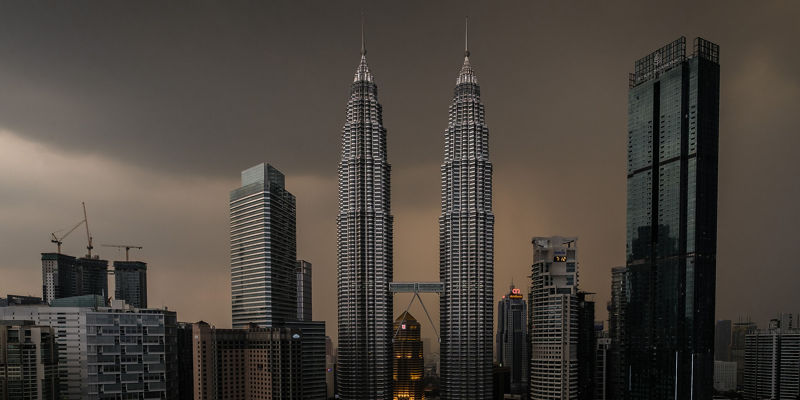
Rising 1,483 feet above Kuala Lumpur, the Petronas Twin Towers were built to accommodate the headquarters of Petronas, the national petroleum company of Malaysia. But that is not all they were designed to do. Working with Argentine-born American architect César Pelli, Tun Dr. Mahathir bin Mohamad, Malaysia’s former prime minister, wanted to create an international icon that embodied the country’s spirit and ambition.
-
Understanding the modern history of Southeast Asia
World War II
World War II witnessed the Japanese Imperial Army’s dominance over Southeast Asia, sparing only Thailand. As the war ebbed, Europe’s return saw a transformed landscape with burgeoning nationalist movements. Indonesia claimed independence in 1945 against Dutch resistance. Philippines gained sovereignty in 1946, as did Burma from British rule in 1948. The Indochina War (1946–1954) also expelled the French from Vietnam. The newly established United Nations provided a forum for these independence movements and legitimacy for the newly established independent nations.
The Cold War shadows
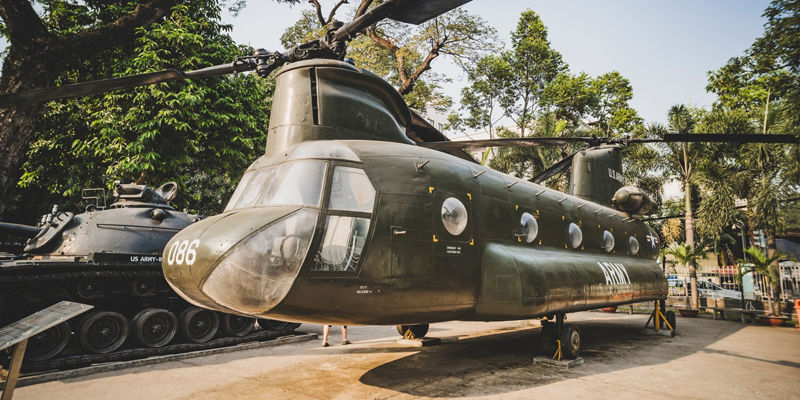
Communism’s specter loomed over the decolonization era, igniting strife. Violent outbreaks occurred, including the tragic 1965 Indonesian purge of alleged Communist Party members by General Suharto. The United States embroiled itself in Vietnam, Cambodia and Laos, resulting in the Vietnam War. By 1975, communism dominated these lands. Ongoing wars ensued, including Cambodia-Vietnam (1975–1989) and Vietnam-China (1979).
The Khmer Rouge tragedy
The Khmer Rouge regime, led by Prime Minister Pol Pot, cast a dark shadow starting in 1975. Cities emptied, the populace toiled on farms and genocide ensued. The true death toll remains uncertain, but it is believed to be between 1.5 and 3 million. Pol Pot’s ousting in 1979 led to a fragile peace, solidified by a Paris peace settlement in 1991 with United Nations intervention.
End of the colonial era
East Timor shook off Portuguese rule in 1975, later achieving independence after Indonesian rule. The protectorate over Brunei ceased in 1984, concluding the European colonial era in Southeast Asia.
A forward-looking region
The region’s heartbeat resonates with economic growth, notably Indonesia, Malaysia, Philippines, Singapore and Thailand. Vietnam’s rapid expansion shines, while Myanmar, Cambodia, Laos and East Timor continue to forge their paths. A youthful, industrious population fuels the economy’s resilience despite global challenges. Domestic demand for goods burgeons, shaping Southeast Asia’s economic destiny. Essential to this trajectory, tourism breathes life into the region, nurturing funds and global fascination with this captivating corner of the world.
-
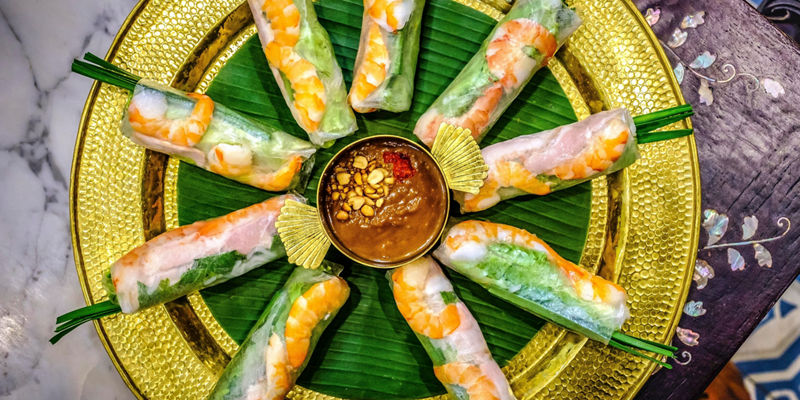
Vietnamese summer rolls (gỏi cuốn)
A worldwide culinary favorite, Vietnamese summer rolls—also known as spring rolls—are one of Southeast Asia’s best-known dishes. Beloved by locals seeking to stay cool during hot, humid weather, these chilled rolls are healthy, filling and portable. No matter when or where you enjoy them, summer rolls offer a taste of Vietnam’s proud culinary heritage. This light, delectable appetizer is packed with local ingredients from the Mekong Delta and South China Sea.
Vietnamese summer rolls—or gỏi cuốn, which translates to “salad roll”—showcase the finest products available from the region’s rice fields and floating markets. A typical preparation includes carrots, cucumbers, shrimp, peanuts, vermicelli noodles and fresh herbs rolled inside a rehydrated sheet of rice paper. This flavorful dish is served chilled with a spicy dipping sauce.
Summer rolls likely originated in China during the Jin Dynasty (266–420 AD) and were consumed to commemorate the first day of spring. By the end of the 3rd century, the Chinese had introduced the dish to Vietnam, and the rolls were adapted to suit Vietnamese palates.
-
Welcome to coffee country
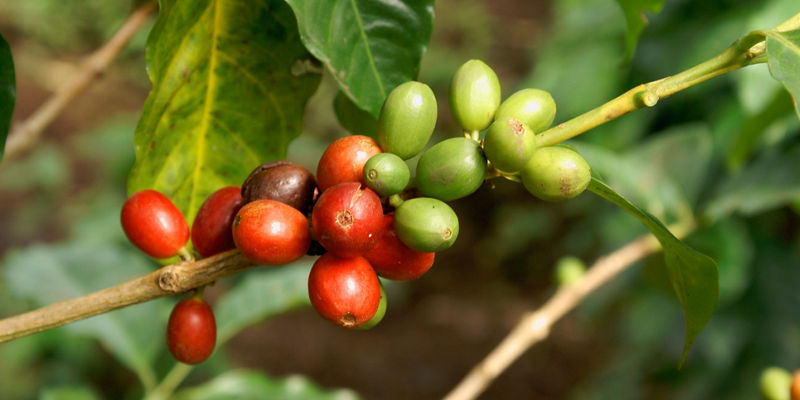
When you think of the leading coffee-producing countries, Brazil and Colombia might come to mind. And you would be right—Brazil and Colombia are first and third, respectively, in coffee production. But you may not know that Vietnam (#2) and Indonesia (#4) are also among the world's top coffee producers.
Asia Highlights
A trip to Asia offers an unparalleled opportunity to discover intriguing cultures and astounding beauty across this fascinating region. Here are some compelling reasons why Asia is worth considering as a destination:
- The serene ritual of tea preparation
- Historic landmarks & modern architecture
- Verdant green spaces in the heart of urban centers
- Fermented rice spirits, like soju & sake, or rice wine
- Spectacular temples & ancient shrines
- Lively street markets offering delectable treats
Destination Insight Videos

Food in China (2:10)
Venture into a Chinese night market to sample some of China’s most beloved delicacies. Join Karine and discover the secrets of hot pot, Peking duck, homemade noodles and more.

Chinese Porcelain (3:53)
Join Karine as she learns about the history of Chinese porcelain, an art form created during the Han Dynasty and shaped by artisans from the Song, Ming and other dynasties.

At Home in Ho Chi Minh City (13:38)
Join Viking Saigon Program Director, Ut Lam Thanh, for an introduction to the vibrant streets of Ho Chi Minh City, Vietnam’s largest metropolis. Immerse yourself in the sights and sounds of the iconic Bến Thàn Market and admire colorful blooms at Ho Thi Ky’s fresh flower market. Then, delve into the rich cultural heritage of Chinatown's Hao Sy Phuong Alley—a charming, centuries-old community of more than 200 households.

Alastair Miller in conversation with Dilhan and Malik Fernando of Dilmah Tea (17:30)
Alastair Miller is joined by Dilhan and Malik Fernando, the sons of Dilmah Tea founder Merrill J. Fernando, for an insightful interview about the brand’s mission to bring fresh, ethically produced Sri Lankan tea to the world. Learn more about Dilmah’s business philosophy and why the brand’s loose-leaf teas are served on board Viking’s fleet. Later, during a tour of the Dilmah Tea Plantation and Factory, discover the traditional process of hand-picking, grading and producing premium teas and uncover the delicate art of cultivating pure cinnamon.

Explore Japan’s capital city of Tokyo with Alastair Miller (14:15)
Join British photographer Alastair Miller as he tours the vibrant city of Tokyo, where tradition meets futuristic innovation. On his journey, he visits the Tokyo Skytree, one of the tallest structures in the world, where staff share insights into its design and sweeping views across the capital. He also finds tranquility at the Shunkaen Bonsai Museum, guided by a student caretaker, who introduces the centuries-old art of Bonsai and its deep spiritual meaning.

Immerse yourself in Colombo’s landmarks and discover Sri Lankan cuisine (15:14)
Follow along as Alastair Miller tours Colombo, the colorful capital of Sri Lanka. His day of exploration begins with a ride on a tuk-tuk, a small, three-wheeled motorized vehicle. He stops at the striking Red Mosque—formally known as Jami Ul-Alfar Mosque—a red-and-white striped structure renowned for its Indo-Saracenic architecture. He then indulges in a traditional Sri Lankan breakfast of string hoppers, a flavorful meal centered around idiyappam—thin, steamed rice noodles that are pressed into flat discs and topped with curry or relish. Alastair’s day ends in a local chef’s kitchen for a hands-on cooking lesson, where he learns how to prepare authentic shrimp curry.
Asia Travel FAQ
All-Inclusive Itineraries—Asia
Choose one of our enriching, all-inclusive voyages and discover the many benefits of exploring in Viking comfort.
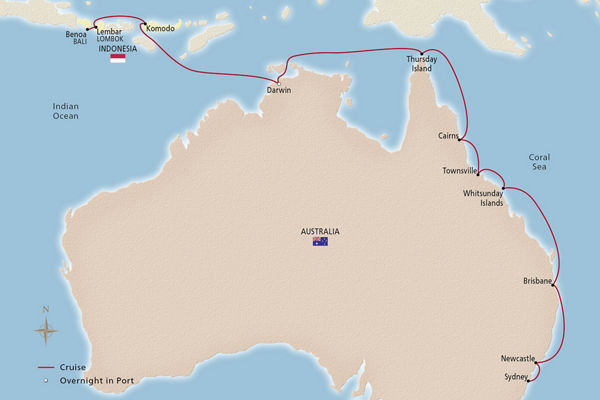
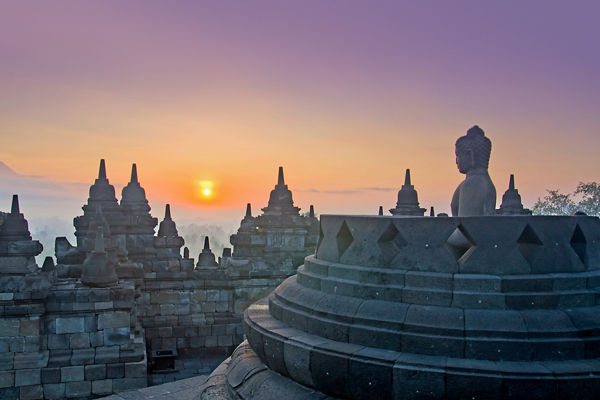
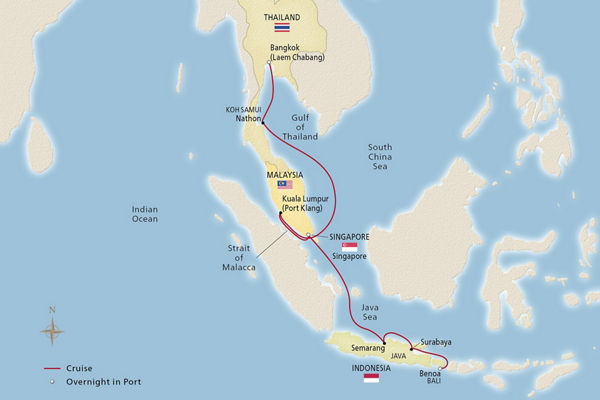
Bangkok, Bali & Beyond
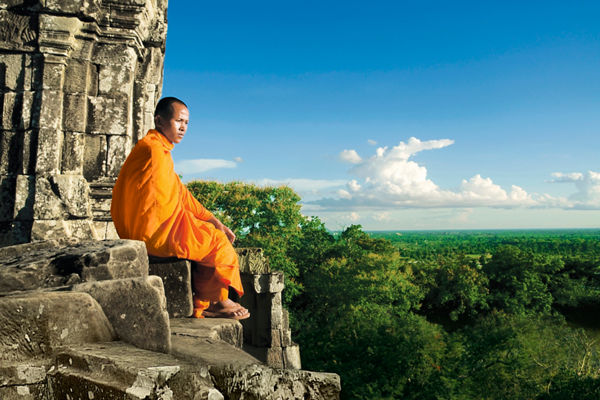
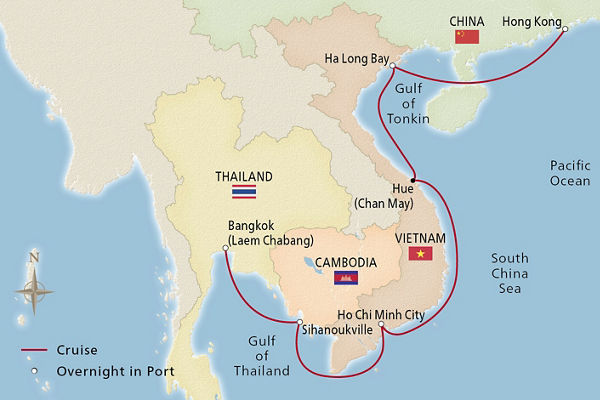
Southeast Asia & Hong Kong