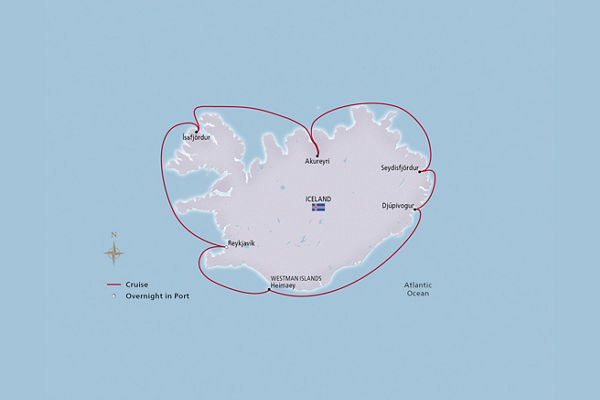
Discover Reykjavík’s cultural treasures
From its Viking foundations to its modern reputation as a center of sustainability and innovation, Reykjavík offers a unique combination of history, natural beauty and creative energy. Read on to learn about a beloved Icelandic street food, delve into the lives of six extraordinary cultural figures and enhance your knowledge of the city’s Norse heritage.
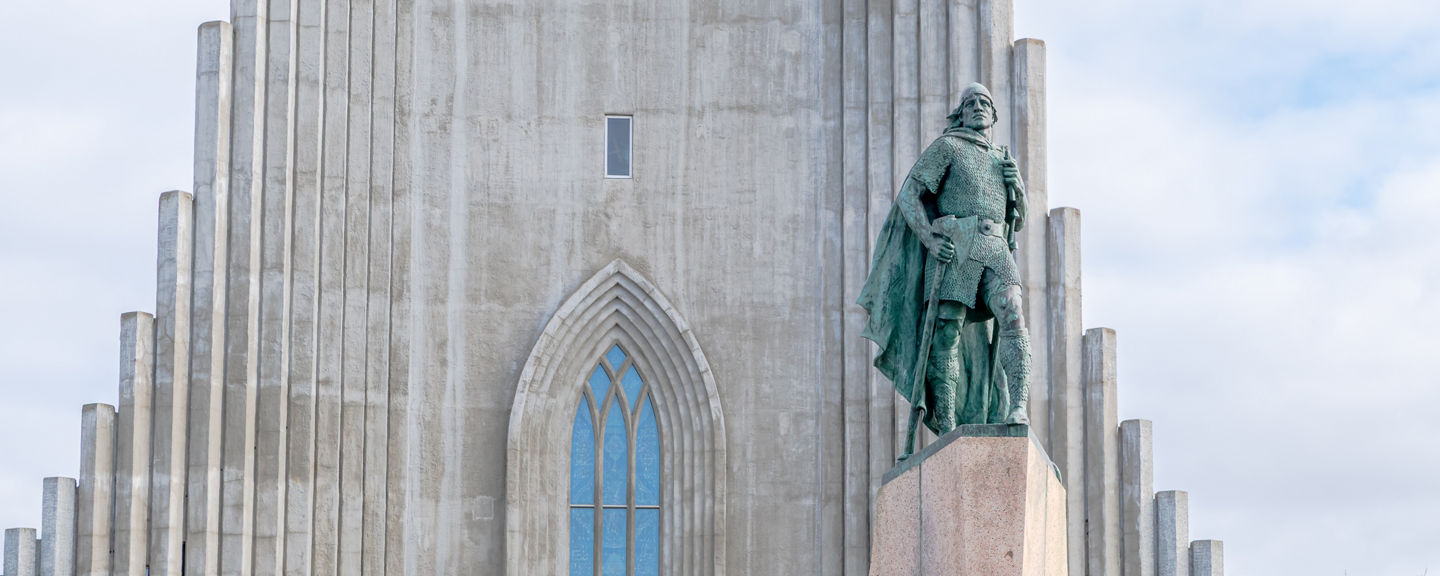
Reykjavík
Reykjavík, the largest city in Iceland, is located on the country’s southwestern coast along the shores of Faxaflói Bay. Surrounded by mountains, volcanic landscapes and the waters of the North Atlantic, it is the world’s northernmost capital. Its position between Europe and North America, combined with its natural harbor and abundant geothermal resources, has made the city Iceland’s political, cultural and economic center for centuries.
Reykjavík’s historic core blends colorful corrugated iron houses, traditional Nordic architecture and striking contemporary landmarks. Although smaller than many European capitals, the city possesses a vibrant cultural scene, with museums, galleries, theaters and music venues concentrated around its walkable center. Neighborhoods around Austurvöllur Square and the Old Harbor preserve much of Reykjavík’s historic character, while modern landmarks like the striking Harpa Concert Hall and Hallgrímskirkja, a towering Expressionist church, showcase Iceland’s evolution into a prosperous and innovative nation.
Reykjavík experiences a subpolar oceanic climate shaped by the North Atlantic and the warming influence of the Gulf Stream. Summers are generally mild, with temperatures typically ranging from 50 °F to 65 °F (10 °C to 18 °C), while winter temperatures commonly range between 25 °F and 40 °F (-4 °C to 4 °C). Although winter days are short and summer nights are remarkably bright, the climate is milder than that of many locations at similar northern latitudes.
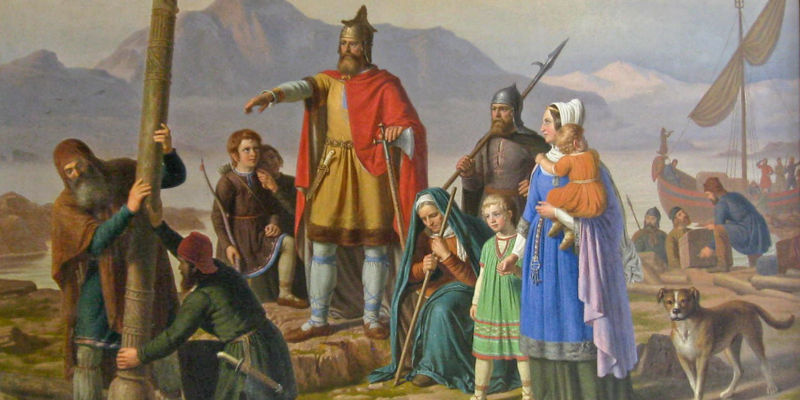
The city’s origins date to 874 AD, when the Norwegian Viking chieftain Ingólfur Arnarson and his wife Hallveig Fróðadóttir established what is traditionally regarded as Iceland’s first permanent Norse settlement. According to medieval sources, Ingólfur named the area Reykjavík, meaning “Smoky Bay,” after he observed steam rising from nearby geothermal hot springs. For centuries, the settlement remained a small farming community.
A turning point came in the 18th century through the efforts of Skúli Magnússon, often called the “Father of Reykjavík.” His industrial and economic reforms, particularly the establishment of wool-processing workshops, helped transform the village into an emerging commercial center. In 1786, Reykjavík officially received municipal status and began its development into Iceland’s primary urban center.
During the 19th century, Reykjavík became the focal point of Iceland’s growing independence movement from Danish rule, led by figures such as Jón Sigurðsson. The city evolved into the seat of government, education and culture, eventually serving as the capital of the sovereign Kingdom of Iceland in 1918 and the Republic of Iceland in 1944.
Today, Reykjavík is one of the most distinctive capitals in Europe, attracting visitors with its blend of Viking history, stunning natural beauty, innovative architecture and thriving creative culture. Below are some of the key attractions that define this remarkable city:
- Hallgrímskirkja—The iconic Hallgrímskirkja, a Lutheran parish church, dominates Reykjavík’s skyline. Completed in 1986 after decades of construction, its design was inspired by Iceland’s basalt lava formations and volcanic landscapes. Rising 244 ft (74.5 m), it is one of the tallest structures in Iceland and offers panoramic views of the city from its observation tower.
- Harpa Concert Hall—Located on the waterfront, Harpa Concert Hall is one of Reykjavík’s most recognizable modern landmarks. Opened in 2011, the building features a striking glass facade inspired by Icelandic basalt crystals. It serves as home to the Iceland Symphony Orchestra and hosts concerts and cultural events throughout the year.
- Alþingi and Austurvöllur Square—At the heart of Reykjavík stands Alþingi, Iceland’s parliament and one of the world’s oldest legislative institutions. Established in 930 at Thingvellir and later relocated to Reykjavík, Alþingi remains central to Icelandic democracy. The adjacent Austurvöllur Square is a popular gathering place and features a prominent statue of Jón Sigurðsson, leader of Iceland’s independence movement.
- Reykjavík Old Harbor and Reykjavík Maritime Museum—Once the center of Iceland’s fishing industry, the Old Harbor has been transformed into a lively cultural district filled with restaurants, museums and galleries. The Reykjavík Maritime Museum, located in a former fish-freezing plant, explores Iceland’s deep connection to the sea through exhibits on fishing, navigation and maritime technology.
- The Sun Voyager (Sólfar)—One of Reykjavík’s most photographed landmarks, the Sun Voyager is a stainless-steel sculpture created in 1990 by artist Jón Gunnar Árnason. Located along the waterfront, its sleek, ship-like form symbolizes exploration, hope and the Viking spirit of discovery.
- Imagine Peace Tower—Situated on nearby Viðey Island, the Imagine Peace Tower is a memorial created by Yoko Ono in honor of John Lennon. Illuminated annually between autumn and winter, its towering column of light has become one of Reykjavík’s most distinctive contemporary landmarks.
- The Settlement Exhibition—Built around the remains of a 10th-century Viking longhouse, the Settlement Exhibition offers visitors a fascinating glimpse into early Reykjavík. Interactive displays explore the lives of Iceland’s first settlers and the development of the city from its Viking origins.
- The Pearl (Perlan)—Perlan combines natural history exhibitions, modern architecture and spectacular observation decks. Built atop geothermal water tanks on Öskjuhlíð Hill, the attraction features immersive displays on Iceland’s glaciers, volcanoes and northern lights, along with some of the finest panoramic views in the city.
- National Museum of Iceland—The National Museum presents a comprehensive overview of Icelandic history from the Viking Age to the modern era. Its collections include medieval artifacts, religious treasures, traditional household objects and exhibits that trace Iceland’s cultural development over more than a thousand years.
- Árbær Open Air Museum—This living-history museum preserves traditional Icelandic buildings, including turf houses, farm structures and workshops. Costumed interpreters demonstrate aspects of daily life, offering insight into how generations of Icelanders lived before modernization.
- Nauthólsvík Geothermal Beach—A unique Reykjavík attraction, Nauthólsvík combines naturally heated seawater with geothermal hot tubs and golden sand. The beach illustrates Iceland’s long-standing relationship with geothermal energy and provides opportunities for year-round outdoor recreation.
- Tjörnin—Often referred to as “The Pond,” Tjörnin is a picturesque lake in central Reykjavík surrounded by historic buildings, parks and walking paths. Home to numerous bird species, it serves as a peaceful green space in the heart of the city

-
Pylsa
When visitors arrive in Reykjavík, they often expect dramatic landscapes, colorful architecture and rich Viking history. However, many are surprised to discover that one of the city’s most beloved cultural icons is a simple hot dog, known as the pylsa.
Unlike the hot dogs found in many other countries, the Icelandic pylsa is made primarily from a blend of lamb, along with pork and beef. Because Icelandic sheep are raised largely on open pastures and natural grazing lands, the meat has a distinctive flavor that reflects Iceland’s agricultural heritage and sets the pylsa apart.
Pylsur (the plural of pylsa) are served in soft buns and topped with a combination of raw onions, crispy fried onions, sweet brown mustard (pylsusinnep), ketchup and remoulade—a creamy mayonnaise-based sauce. The sweetness of the sauces, the crunch of the onions and the savory taste of the sausage combine to create a balance of textures and flavors that locals and tourists find irresistible.
More than just a quick snack, the pylsa has become a symbol of Icelandic food culture and an essential part of the Reykjavík experience. Because Iceland is known for its relatively high cost of living, the hot dog remains one of the country's most affordable and accessible meals, making it popular among both locals and visitors. Residents often grab one for lunch, as a quick snack or after a night out.
One of the most famous places to enjoy a pylsa in Reykjavík is Bæjarins Beztu Pylsur, a small stand located near the city’s harbor. Founded in 1937, it has earned an international reputation, serving countless visitors over the decades. Today, long lines often form outside the stand, but many customers agree that the wait for this iconic street food is worthwhile.
-
Notable figures associated with Reykjavík
Reykjavík has been home to many remarkable individuals whose contributions to politics, literature, social reform, culture and the arts have helped shape not only the identity of Iceland’s capital but also the nation itself. From influential statesmen and pioneering activists to Nobel Prize-winning authors and internationally celebrated artists, these figures reflect Reykjavík’s rich tradition of innovation, resilience and creativity.
- Skúli Magnússon (1711–1794)
Known as the “Father of Reykjavík,” Skúli Magnússon was an 18th-century royal treasurer and reformer whose efforts laid the foundations for the city’s development. At a time when Iceland’s economy was constrained by foreign trade monopolies, Skúli championed local industry and entrepreneurship. He established wool-processing workshops and other manufacturing enterprises in what is now central Reykjavík, helping transform a small settlement into a growing economic center. His vision for domestic production and self-sufficiency played a crucial role in the city’s early growth and earned him a lasting place in Icelandic history. Visitors can learn more about his life and work at Viðey House on nearby Viðey Island, his former residence and one of Iceland’s oldest stone buildings.
- Jón Sigurðsson (1811–1879)
One of Iceland’s most revered national figures, Jón Sigurðsson was a scholar, historian and statesman who led the peaceful movement for Icelandic independence from Danish rule during the 19th century. Through his writings, political leadership and advocacy for self-government, he became the foremost symbol of Icelandic nationalism. Although much of his work was conducted from Copenhagen, his legacy remains deeply connected to Reykjavík, where a prominent statue of him stands in Austurvöllur Square facing Alþingi, Iceland’s parliament.
- Bríet Bjarnhéðinsdóttir (1856–1940)
A pioneering journalist, suffragette and political activist, Bríet Bjarnhéðinsdóttir was one of the most significant figures in Iceland’s struggle for women’s rights. She founded the Icelandic Women’s Rights Association, edited influential publications promoting gender equality and tirelessly campaigned for women’s participation in public life. Her efforts helped secure voting rights for Icelandic women and paved the way for greater political representation. In 1908, she became one of the first women elected to the Reykjavík City Council.
- Halldór Laxness (1902–1998)
The most internationally acclaimed writer in Icelandic history, Halldór Laxness was awarded the Nobel Prize in Literature in 1955. His novels explored the realities of Icelandic life with extraordinary depth, examining themes of identity, social change, faith and economic struggle. Works such as Independent People (2 vol., 1934–35) and Iceland’s Bell (3 vol., 1943–46) captured the hardships and resilience of ordinary Icelanders while earning worldwide recognition.
- Vigdís Finnbogadóttir (b. 1930)
In 1980, Vigdís Finnbogadóttir made history as the world’s first democratically elected female head of state. Serving as President of Iceland for four consecutive terms, she became a respected national leader and an international advocate for education, language preservation and cultural heritage. Throughout her presidency, Vigdís promoted Icelandic arts and literature while enhancing Iceland’s global profile.
- Björk Guðmundsdóttir (b. 1965)
Known globally simply as Björk, the Reykjavík-born singer, composer and visual artist has become one of the most influential musicians of the modern era. Renowned for her distinctive voice and experimental approach to music, she has pushed artistic boundaries by blending electronic, orchestral and avant-garde influences. Albums such as Homogenic (1997), Vespertine (2001) and Biophilia (2011) have earned critical acclaim while showcasing her deep connection to Iceland’s landscapes and culture. As one of the country's most recognizable cultural ambassadors, Björk embodies Reykjavík’s contemporary creative spirit and originality.
- Skúli Magnússon (1711–1794)
-
Vikings in Reykjavík
The story of Reykjavík, Iceland’s capital city, begins with the Vikings who first settled the island during the ninth century. Among these early Norse explorers, two figures stand out in Icelandic history: Ingólfur Arnarson and his wife, Hallveig Fróðadóttir. Their journey to Iceland and their decision to establish a homestead on the shores of what is now Reykjavík laid the foundation for the city that would eventually become the nation’s political, cultural and economic center.
According to the medieval Icelandic text Landnámabók (The Book of Settlements), Ingólfur Arnarson was a Norwegian chieftain who left his homeland during an era of exploration and migration to seek new opportunities across the North Atlantic. Ingólfur sailed to Iceland around the year 874, a date traditionally recognized as the beginning of permanent Norse settlement on the island.
This famous account tells how Ingólfur followed an ancient Norse custom before landing. He ordered his crew to ready his öndvegissúlur, the pair of wooden pillars that were customarily placed on either side of a chieftain’s high seat, a kind of throne. As his fleet of longships approached the shore, the poles were tossed overboard into the cold sea. As Ingólfur watched them drift toward the coast, he ordered his oarsmen to follow, believing that the gods would use the pillars to guide them to the site of their future home. When the new settlers saw the steam from hot springs rising near the bay, they named their discovery Reykjavík, meaning “Bay of Smokes.”
While Ingólfur is often remembered as Reykjavík’s founder, Hallveig Fróðadóttir also played an important role. Historical records about Viking women are less detailed than those about men, yet Hallveig is recognized in Icelandic tradition as a partner in the establishment of the homestead. Archaeological discoveries suggest that women were essential contributors to Viking communities, managing households, preserving food, producing clothing and helping create stable conditions in often challenging environments. Hallveig's presence reminds us that Iceland was not established by explorers alone but by families working together to build new lives.
The Vikings who settled Reykjavík lived in turf-roofed longhouses and relied on farming, fishing and trade. They brought with them Norse language, customs, laws and beliefs that would shape Icelandic society for centuries. Over time, additional homesteaders arrived, and Iceland developed a unique culture rooted in its Viking heritage.
Among the descendants of these settlers was Leif Eriksson, one of the most famous Vikings in history. Born in Iceland around the year 970, Leif was the son of Erik the Red, founder of the Norse settlements in Greenland. Around the year 1000, Leif led an expedition westward and is widely credited as the first known European to reach North America, nearly five centuries before Christopher Columbus. His voyages demonstrated the remarkable seafaring skills of the Norse people and highlighted Iceland’s role as an important center of Viking exploration and navigation across the North Atlantic.
Reykjavík remained relatively small for many centuries, and its origins as a Viking farm are still celebrated today. Modern visitors can explore this rich heritage at locations such as the Settlement Exhibition in central Reykjavík, where the remains of a Viking-age longhouse are preserved. Monuments throughout the city also honor Ingólfur Arnarson and the island’s first inhabitants, while a grand statue of Leif Eriksson stands in front of Hallgrímskirkja, commemorating the famed explorer and Iceland’s enduring Viking heritage. These reminders connect present-day Reykjavík with its remarkable beginnings.


Reykjavík Highlights
Journeying to Reykjavík offers the opportunity to explore Viking history, world-class cultural attractions and the dramatic natural beauty that defines Iceland. Here are some highlights you may experience during a visit to this enchanting city:
- Admire art installations in Reykjavík’s Old Harbor district
- View the striking architecture of Hallgrímskirkja
- Visit the legendary Harpa Concert Hall
- Stroll along the scenic waterfront
- See Höfði House, a historic estate dating from 1909
- Discover historic buildings at the Árbær Open Air Museum
- Take a day trip to UNESCO-listed Thingvellir National Park
- Sample authentic Icelandic dishes, including pylsa
- Keep watch for whales during a boat ride on Faxaflói Bay
- Venture to nearby lava fields and geothermal lagoons
Reykjavík Travel FAQ
All-Inclusive Itineraries—Reykjavík
Choose one of our enriching, all-inclusive voyages and discover the many benefits of exploring in Viking comfort.
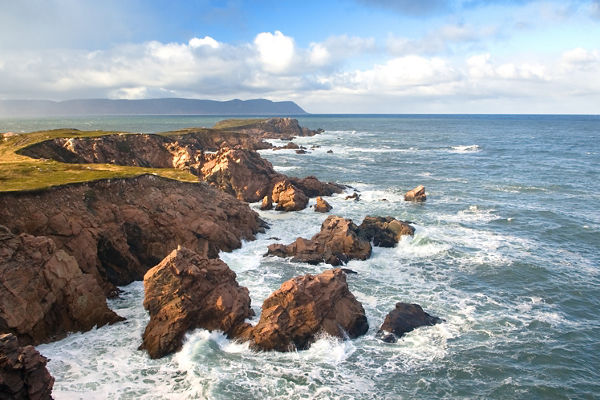
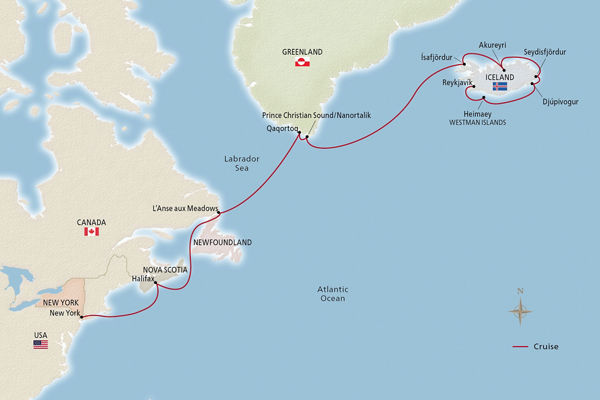
Iconic Iceland, Greenland & Canada


Iceland & Norway’s Arctic Explorer