Explore charming Copenhagen
Home to historic castles, vibrant waterfront districts and a rich Viking heritage, Copenhagen pairs timeless appeal with a reputation for creativity and sustainability. Read on to discover the history of traditional Danish pastries, learn about one of Hans Christian Andersen's most beloved stories and delve into the lives of six remarkable Danish cultural figures.
Copenhagen
Copenhagen, the capital and largest city of Denmark, is located on the eastern coast of the island of Zealand and extends onto the neighboring island of Amager. Positioned along the Øresund Strait, which separates Denmark from Sweden, the city has long benefited from its strategic location between the Baltic and North Seas. This position helped establish Copenhagen as a major center of trade, maritime activity and political power.
Copenhagen experiences a temperate maritime climate influenced by its coastal location. Summers are generally mild and pleasant, with temperatures typically ranging from 60 °F to 75 °F (16 °C to 24 °C), while winter temperatures commonly range between 30 °F and 45 °F (-1 °C to 7 °C). Rainfall occurs throughout the year, and although winters can be cloudy and cool, conditions are generally moderate compared to many locations at similar latitudes.
The origins of Copenhagen can be traced to a modest Viking-era fishing and trading settlement established along the sheltered harbor during the early 10th century. The community grew steadily due to its favorable location along important trade routes connecting Scandinavia with continental Europe.
In 1167, Bishop Absalon of Roskilde, one of Denmark’s most influential church and political leaders, established a fortress on a nearby islet and strengthened the town’s defenses with ramparts and a moat. His efforts helped transform the settlement into a thriving center for trade and laid the foundations for Copenhagen’s future growth. The city’s name, which also emerged around this period, derives from the Danish word København, meaning “Merchant’s Harbor,” reflecting the site’s early importance as a center of commerce.
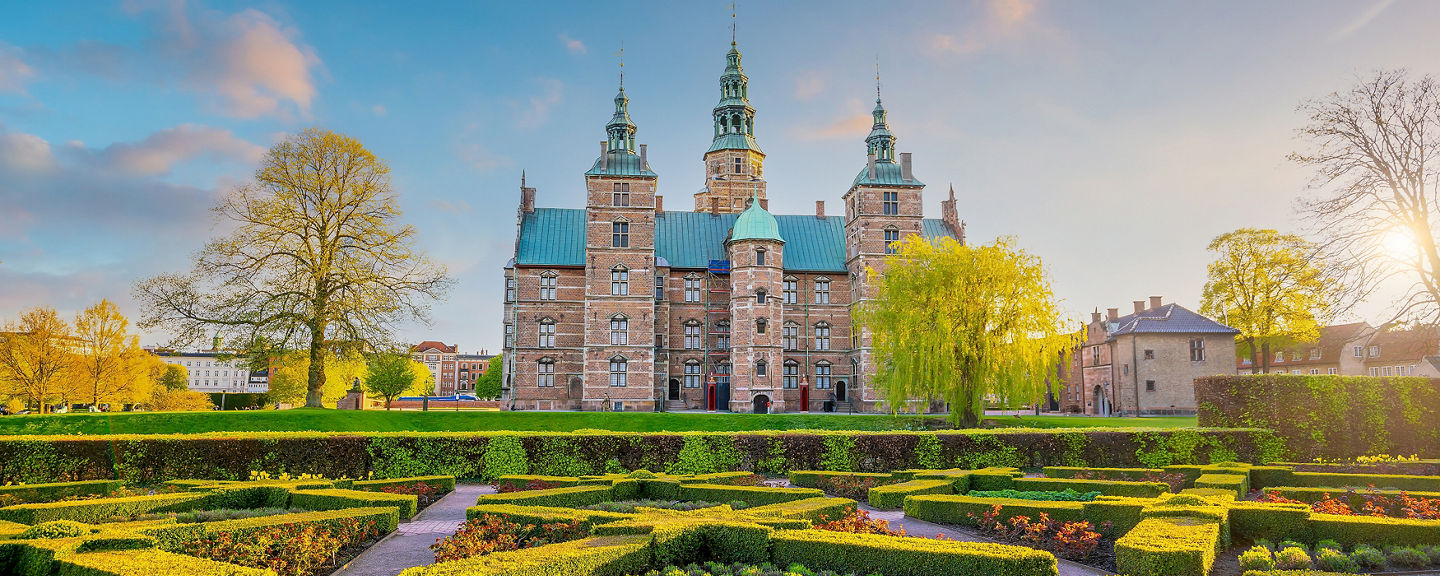
During the late Middle Ages and Renaissance periods, Copenhagen emerged as the political and economic center of Denmark, officially becoming the nation’s capital in the early 15th century. The coronation of King Christian IV in 1596 marked the beginning of a transformative era for the city, as the ambitious monarch sponsored the construction of many of Copenhagen’s most iconic Renaissance landmarks, including Rosenborg Castle, the Round Tower and the district of Christianshavn.
Despite its growth, the capital also endured periods of hardship. A series of wars with Sweden during the mid-17th century was followed by the Copenhagen Fire of 1728, which destroyed much of the medieval city. The reconstruction reshaped the urban landscape, introducing wider streets and many of the elegant structures that characterize central Copenhagen today.
In 1849, King Frederik VII signed Denmark’s first constitution at Christiansborg Palace, marking a peaceful transition from absolute monarchy to constitutional government. This act established the foundations of modern Danish democracy without the violent upheavals that affected many other European nations.
Today, Copenhagen is internationally recognized for its high quality of life, innovative urban planning and rich cultural heritage. Visitors are drawn by its blend of Viking history, royal traditions, waterfront beauty and world-renowned Scandinavian design. Below are some of the key attractions that define this remarkable city:
- Nyhavn—One of Copenhagen’s most famous landmarks, Nyhavn is a historic waterfront district lined with colorful townhouses, restaurants and cafés. Constructed in the 17th century as a commercial harbor, the area is now one of the city’s most vibrant gathering places, offering scenic canal views and boat tours.
- Amalienborg Palace—Built during the reign of King Frederick V (1746–1766), Amalienborg is the official residence of the Danish royal family. It consists of four elegant rococo mansions surrounding a central square. Visitors can witness the changing of the Royal Guard and learn about Denmark’s monarchy through exhibits in the Amalienborg Museum.
- Christiansborg Palace—Located on the small island of Slotsholmen, Christiansborg Palace houses Denmark’s Parliament, Supreme Court and Prime Minister’s Office. The site offers visitors access to royal reception rooms, historic ruins and one of the city’s tallest observation towers.
- Rosenborg Castle—Built by King Christian IV in the early 17th century, Rosenborg Castle is one of Denmark’s finest Renaissance buildings. The castle houses the Danish Crown Jewels and royal regalia, while the surrounding King’s Garden provides a popular green space in the heart of the city.
- Kastellet—One of the best-preserved star-shaped fortresses in Europe, Kastellet was constructed in the 17th century as part of Copenhagen’s defenses. Today, its historic ramparts and landscaped grounds provide a peaceful setting for walking and exploration.
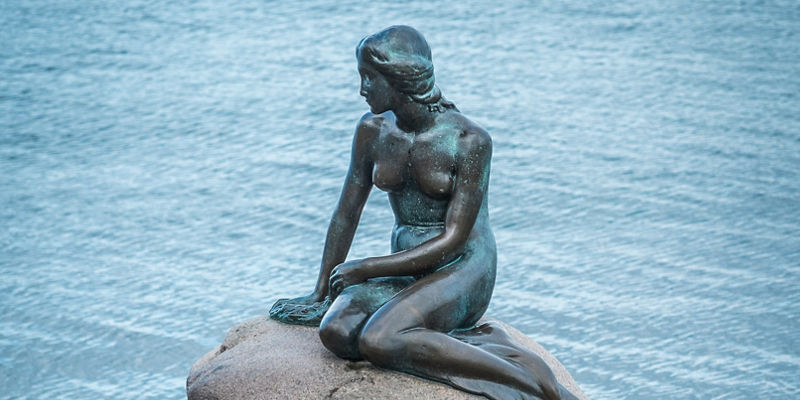
- The Little Mermaid (Den lille havfrue)—Inspired by the fairy tale by Danish author Hans Christian Andersen, The Little Mermaid is one of Copenhagen’s most recognizable landmarks. Unveiled in 1913, the bronze statue sits on a harborside rock and has become an enduring symbol of the city.
- Round Tower—Completed in 1642, the Round Tower is one of Copenhagen’s best-known historic structures. Built as an astronomical observatory, it features a unique spiral ramp leading to an observation platform with panoramic views of the city.
- National Museum of Denmark—Denmark’s largest cultural history museum presents exhibits covering thousands of years of Danish history. Highlights include Viking artifacts, medieval treasures and displays that trace the nation’s development from prehistoric times to the modern era.
- Viking Ship Museum in Roskilde—Located a short distance from Copenhagen, the Viking Ship Museum displays several remarkably well-preserved Viking vessels recovered from Roskilde Fjord. Interactive exhibits and reconstructed ships provide insight into the maritime achievements of the Viking Age.
- Ny Carlsberg Glyptotek—Founded by brewer and art collector Carl Jacobsen, the Ny Carlsberg Glyptotek is one of Copenhagen’s leading museums. Its renowned collections include ancient Egyptian, Greek and Roman antiquities, along with notable French impressionist and post-impressionist works.
- Statens Museum for Kunst—Statens Museum for Kunst is the country’s largest art museum and the principal repository of the Danish national collection. Its holdings span more than seven centuries, featuring works by European Old Masters, Danish Golden Age paintings and an extensive collection of modern and contemporary art.
- Tivoli Gardens—Opened in 1843, Tivoli Gardens is one of the world’s oldest operating amusement parks. Combining rides, gardens, theaters and seasonal events, it remains one of Copenhagen’s most popular attractions and is a beloved part of the city’s cultural life.

-
Wienerbrød, or Danish pastry
Few baked goods are more closely associated with Denmark than the Danish pastry. Known for its flaky layers, buttery texture and wide variety of fillings, the pastry has become a beloved breakfast and dessert item around the world. Although it is often simply called a “Danish” in English-speaking countries, in Denmark it is known as wienerbrød, meaning “Viennese bread.”
The origins of this beloved treat date to the mid-19th century. In 1850, a labor strike among Danish bakery workers forced owners to hire substitute bakers from other countries, many of whom came from Austria. These Austrian bakers introduced Viennese techniques that differed from traditional Danish methods. Danish bakers soon adapted these recipes, incorporating more butter, eggs and sugar to suit local tastes. Over time, the results evolved into the distinctive products now recognized worldwide as Danish pastries.
The key to this delicacy is its laminated dough, which is created by repeatedly folding layers of butter into yeast-leavened dough. The dough is rolled out, folded and chilled multiple times, creating dozens of thin layers. During baking, moisture in the butter turns to steam, causing the layers to separate and produce the pastry’s characteristic light, flaky texture.
Danish pastries are available in many shapes and varieties. Some are formed into spirals, while others are shaped into pinwheels, braids or squares. Popular fillings include fruit preserves such as raspberry, strawberry or apricot, as well as custard, almond paste, cream cheese and cinnamon. Many wienerbrød are finished with icing, sliced almonds or pearl sugar, adding both flavor and visual appeal.
Traditional bakeries can be found in cities, towns and villages across the country, serving freshly baked pastries alongside coffee or tea. Danishes also dovetail nicely with the local concept of hygge—the appreciation of comfort, relaxation and simple pleasures shared with family and friends.
More than a century and a half after its creation, the Danish pastry remains one of Denmark’s most recognizable culinary exports. Combining Austrian baking traditions with Danish craftsmanship, wienerbrød continues to delight visitors and locals alike as a symbol of the country’s rich baking heritage.
-
Hans Christian Andersen and “The Little Mermaid”
Few figures are more closely associated with Denmark than Hans Christian Andersen (1805–1875). Born in the Danish city of Odense, Hans Christian Andersen rose from humble beginnings to become one of the world’s most celebrated authors. Andersen studied at the University of Copenhagen in 1828 and spent much of the remainder of his life in Copenhagen, where he developed his literary career and became an important figure in Danish cultural life. While he wrote novels, poems and travel literature, he is best remembered for his fairy tales, including “The Ugly Duckling,” “The Snow Queen,” “The Princess and the Pea” and “The Little Mermaid.”
First published in 1837 as part of Andersen’s collection Fairy Tales Told for Children, “The Little Mermaid” tells the story of a young mermaid who longs to leave the sea and experience the human world. After rescuing a prince from a shipwreck, she falls deeply in love with him and sacrifices her beautiful voice to a cunning sea witch in exchange for human legs. The mermaid must also endure constant pain, feeling as though she is walking on sharp knives with every step, and she can only gain an immortal soul if the prince falls in love with and marries her; otherwise, she will die and dissolve into sea foam when he marries another.
Unlike many modern adaptations, Andersen’s original tale is bittersweet and explores themes of love, sacrifice, identity and the desire for an immortal soul. In his version, the unsuccessful mermaid dissolves, but instead of ceasing to exist, she becomes an air spirit and ascends into the atmosphere. The story has been translated into dozens of languages and remains one of the most influential fairy tales ever written.
During the early 20th century, the tale’s connection to Copenhagen became even stronger. In 1909, Carl Jacobsen—a Danish brewer, arts patron and son of the founder of Carlsberg Brewery—attended a ballet adaptation of “The Little Mermaid” at Copenhagen’s Royal Danish Theatre. Inspired by the performance, he commissioned a sculpture depicting the story’s protagonist as a gift to the city.
Created by Danish sculptor Edvard Eriksen, The Little Mermaid was unveiled in Copenhagen on August 23, 1913. The statue portrays the mermaid seated on a granite rock, gazing thoughtfully toward the harbor. Eriksen used ballet dancer Ellen Price, who performed the lead role in the ballet, as the model for the figure’s head, while his wife Eline Eriksen served as the model for the body.
Located along the Langelinie waterfront near Kastellet, the sculpture stands just over 4 ft (1.25 m) tall. Despite its relatively modest size, it has become Copenhagen’s most famous landmark and one of the most recognizable monuments in the world.
Although Hans Christian Andersen’s legacy can be found throughout Copenhagen—from museums and memorials to the many locations associated with his life and work—no tribute is more famous than The Little Mermaid. Together, the author, his timeless fairy tale and the waterfront statue represent a unique blend of literature, art and national identity that continues to captivate visitors more than a century after the monument’s unveiling
-
Notable figures associated with Copenhagen
Copenhagen has been shaped by an extraordinary range of scientists, artists and writers whose achievements have left a lasting mark on Denmark and the wider world. From Renaissance kings who transformed the city’s skyline to pioneering thinkers who revolutionized philosophy and physics, these individuals reflect Copenhagen’s enduring role as a center of culture, learning and innovation.
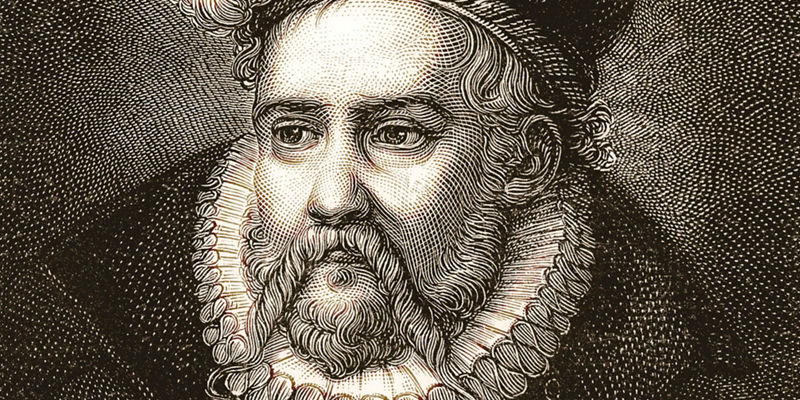
- Tycho Brahe (1546–1601)
One of the greatest astronomers of the Renaissance, Tycho Brahe revolutionized the study of the heavens through his remarkably precise observations of the planets and stars. Working decades before the invention of the telescope, he collected data that later helped the German astronomer Johannes Kepler formulate the laws of planetary motion. Although best known for his observatories on the island of Hven, Brahe studied law at the University of Copenhagen, and his scientific influence extended throughout Denmark. His legacy remains closely connected to the city through institutions and monuments celebrating Denmark’s contributions to astronomy, including a sculpture at the University of Copenhagen and a bust outside the Round Tower. - King Christian IV (1577–1648)
Few individuals have left a more visible mark on Copenhagen than King Christian IV. During his nearly sixty-year reign, he launched an ambitious building program that transformed the city into one of northern Europe’s most impressive capitals. Many of Copenhagen’s most famous landmarks—including Rosenborg Castle, the Round Tower, Christianshavn and the Stock Exchange building—were constructed under his patronage. His vision helped define the city's architectural character, and his influence remains evident throughout Copenhagen's historic center.
- Bertel Thorvaldsen (1770–1844)
Widely regarded as one of Europe’s greatest neoclassical sculptors, Bertel Thorvaldsen achieved international fame for his elegant marble statues inspired by classical antiquity. After a distinguished career in Rome, he returned to Copenhagen, where he donated much of his artistic collection to the Danish people. The Thorvaldsen Museum, located beside Christiansborg Palace, was built to house his works and serves as both a museum and his final resting place.
- N.F.S. Grundtvig (1783–1872)
Bishop, poet, philosopher and educator, N.F.S. Grundtvig played a transformative role in Danish society during the 19th century. He championed education for ordinary citizens and inspired the folk high school movement, which emphasized lifelong learning, civic participation and cultural awareness. His ideas helped shape modern Danish democracy and national identity. Grundtvig’s influence continues to be felt throughout Denmark, and the monumental Grundtvig’s Church in Copenhagen stands as a lasting tribute to his legacy.
- Søren Kierkegaard (1813–1855)
Born and educated in Copenhagen, Søren Kierkegaard had an outsized influence on the development of existentialist philosophy in the 20th century. Through influential works such as Fear and Trembling (1843) and Either/Or (1843), he explored questions of faith, individual responsibility, freedom and the meaning of human existence. Much of his life unfolded in the streets, churches and cafés of Copenhagen, which served as both the setting and inspiration for his writings. Today, he remains one of Denmark’s most influential intellectual figures.
- Niels Bohr (1885–1962)
A pioneering physicist and Nobel Prize laureate, Niels Bohr transformed modern science through his groundbreaking research on atomic structure and quantum theory. Working in Copenhagen, he established the Institute for Theoretical Physics, which became one of the world's leading centers for scientific research. Scholars from around the globe traveled to the city to collaborate with Bohr, helping make Copenhagen a focal point of 20th-century physics.
- Karen Blixen (1885–1962)
Known internationally by her pen name Isak Dinesen, Karen Blixen was one of Denmark’s most celebrated authors. Her memoir Out of Africa (1937) and story collections such as Seven Gothic Tales (1934) earned worldwide acclaim for their rich narratives and literary artistry. Although she is often associated with her years in Kenya, Blixen spent much of her life near Copenhagen, where her former home, Rungstedlund, now operates as a museum dedicated to her life and work.
- Tycho Brahe (1546–1601)

Copenhagen Highlights
Few European capitals balance past and present as seamlessly as Copenhagen—from its Viking beginnings and royal legacy to its thriving cultural scene and innovative outlook. Here are some highlights you may experience during a visit to this remarkable city:
- Explore colorful Nyhavn and its storied harbor
- Visit the iconic statue of The Little Mermaid
- Tour the magnificent rooms of Christiansborg Palace
- Admire the Danish Crown Jewels at Rosenborg Castle
- Discover Viking ships at nearby Roskilde
- Walk the historic ramparts of Kastellet
- Climb the Round Tower for stunning city views
- Stroll through the landscaped paths of the King's Garden
- See the impressive Gefion Fountain
- Listen to live jazz during a Christianshavn canal cruise
- Enjoy classic rides at the Tivoli Gardens amusement park
- Learn to prepare traditional Danish pastries
Copenhagen Travel FAQ
All-Inclusive Itineraries—Copenhagen
Choose one of our enriching, all-inclusive voyages and discover the many benefits of exploring in Viking comfort.